
Features
Beyond the degree: why every student needs a skill to survive

In an era where unemployment rates continue to rise and the job market becomes increasingly competitive, many students are beginning to understand a hard reality: a university degree alone may no longer be enough to guarantee success after graduation.
Across social media platforms, career channels, and motivational forums, experts and entrepreneurs constantly emphasize the importance of learning side skills outside the classroom. From graphic design and photography to coding, baking, digital marketing, content creation, and fashion, practical skills are gradually becoming a safety net for many young people.
The conversation has become even more relevant as thousands of graduates struggle yearly to secure jobs in their exact fields of study. Many employers now seek individuals who can offer creativity, adaptability, and practical experience in addition to academic qualifications. While education remains important, this shift highlights the evolving demands of the workforce.
This growing reality has left many students asking an important question: should people only learn skills they are naturally talented or passionate about, or should they learn any skill that can help them survive financially?
Career experts believe passion matters because it encourages consistency and personal growth. However, they also stress that students must be realistic about the current economy. In some cases, a skill learned out of necessity may eventually become a profitable career or business opportunity.
“Sometimes survival comes before passion,” one career mentor explained during an online discussion about youth employment. “A student may study accounting in school but make a living through photography, makeup artistry, or social media management.”
Experts advise students to start small by identifying opportunities around them and learning gradually through free online tutorials, internships, workshops, and mentorship programs. Many successful entrepreneurs today began with simple side hustles while still in school.
Students are also encouraged not to wait until graduation before developing practical skills. Instead, they should use their years in school to explore different talents, build networks, and gain experience that could support them in the future.
As technology and economic conditions continue to change, one thing is becoming increasingly clear, students who combine academic education with practical skills may stand a better chance of surviving and succeeding in today’s unpredictable world.
Related Stories & Campus Highlights
View All in Features →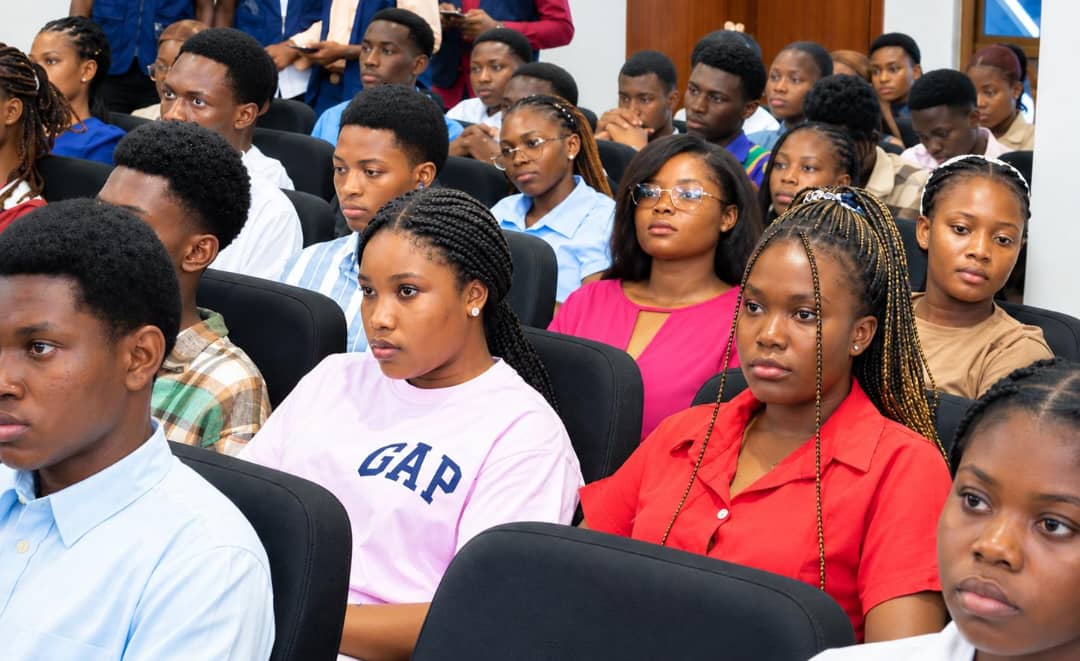
Features
Sep 9, 2026 3 min read
Survivors don't wear capes: they just don't quit
Survival is not merely about staying alive; it is the courage to keep moving forward when life presents its greatest challenges. Every day, people fac...

Features
Sep 8, 2026 3 min read
Where challenges become stepping stones: a semester of promise
The reopening of school marks the beginning of another exciting academic journey filled with fresh opportunities and new challenges. Campuses that wer...

Features
Sep 6, 2026 3 min read
The library that travels
Have you ever heard of Logos Hope? Logos Hope is a ship that travels to different countries, filled with books. If you are someone who loves books, t...
Features
Aug 24, 2026 3 min read
Balancing books and bills: the struggles of working students
By 6:15 a.m., Abena Owusu-Ansah is on a trotro down the Spintex road, textbook on her knee, name tag from the supermarket tucked in her bag. Lectures ...