
Sports
From Newton Heath to Old Trafford: The history of Manchester United
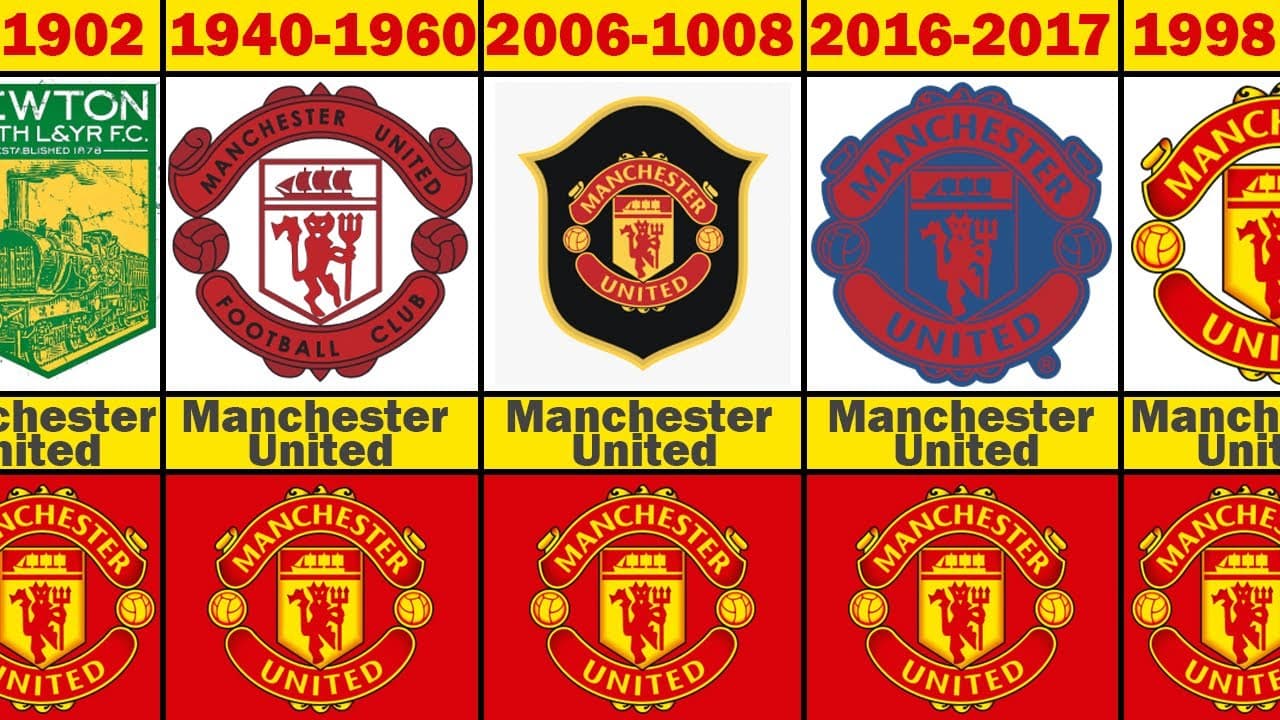
Manchester United’s journey from a small railway workers’ team to one of the most famous football clubs in the world is a story of resilience, reinvention, and global influence.
Humble Beginnings
The club was founded in 1878 as Newton Heath LYR Football Club, formed by workers of the Lancashire and Yorkshire Railway (LYR) depot in Manchester. Initially, the team played friendly matches against other railway departments before joining organized competitions. Financial difficulties soon threatened the club’s existence, with debts mounting by the turn of the 20th century.
A New Identity
In 1902, Newton Heath was on the brink of collapse when local businessman John Henry Davies invested in the club. The financial rescue came with a new beginning, and the club was renamed Manchester United Football Club. The change marked a turning point, symbolising ambition beyond its industrial roots.
Early Success
Manchester United enjoyed early success under manager Ernest Mangnall, winning their first league title in 1908 and their first FA Cup in 1909. In 1910, the club moved to a new stadium, Old Trafford, which would later become one of football’s most iconic venues.
Trials and Tragedy
The club endured turbulent periods, including relegation and financial struggles. However, the most defining tragedy came in 1958 with the Munich Air Disaster, which claimed the lives of eight players and left the football world in mourning. Under the leadership of manager Sir Matt Busby, Manchester United rebuilt from the devastation.
Rise to Global Greatness
Busby’s vision culminated in historic success when Manchester United became the first English club to win the European Cup in 1968. Decades later, the club entered another golden era under Sir Alex Ferguson, whose tenure from 1986 to 2013 brought unprecedented success, including 13 Premier League titles, five FA Cups, and two UEFA Champions League trophies.
A Global Institution
Today, Manchester United is more than a football club. With a vast international fanbase, commercial power, and cultural impact, the club remains a symbol of English football worldwide. While on-field fortunes have fluctuated in recent years, the legacy built over nearly 150 years continues to define Manchester United’s identity.
Enduring Legacy
From its beginnings as Newton Heath to its evolution into a global sporting giant, Manchester United’s history reflects perseverance and ambition. The club’s story remains a powerful reminder of how football institutions can grow from local communities to shape the global game.
Related Stories & Campus Highlights
View All in Sports →
Sports
Jul 19, 2026 3 min read
Spain Beat Argentina After Extra Time to Win 2026 FIFA World Cup
Spain are world champions for the second time after Ferran Torres' extra-time winner secured a 1-0 victory over Argentina in a gripping 2026 FIFA Worl...

Sports
Jun 28, 2026 3 min read
Croatia Edge Ghana in World Cup Thriller Despite Black Stars’ Brave Fight
Ghana suffered a narrow defeat to Croatia in their final Group L outing at the 2026 FIFA World Cup after a late winner sealed a dramatic 2-1 result in...
Sports
Jun 23, 2026 3 min read
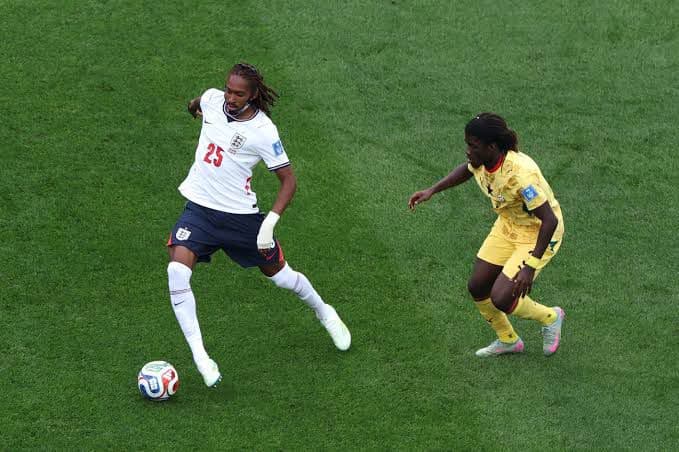
Black Stars Stand Firm to Hold England in Tense World Cup Battle
Boston, USA — June 23, 2026 Ghana produced a disciplined and resilient performance to earn a valuable draw against England in their second Group L ma...

Sports
Jun 18, 2026 3 min read
Late Yirenkyi Strike Gives Ghana Winning Start at World Cup
Ghana opened their 2026 FIFA World Cup campaign with a dramatic victory over Panama as a stoppage-time goal handed the Black Stars all three points in...