
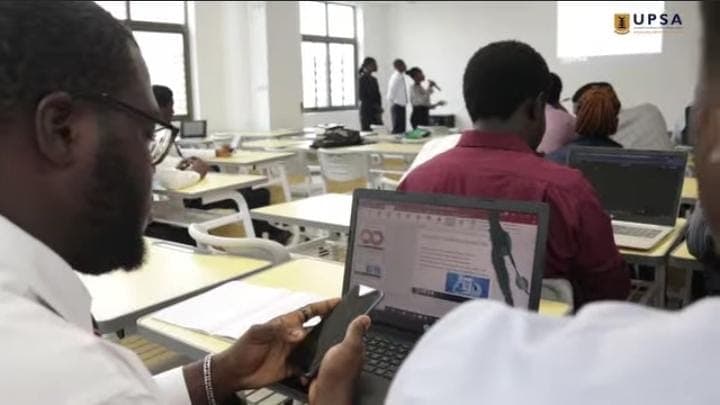
In circumstances of great uncertainty, hope often becomes the strongest weapon of survival. This tells the story of university students who transformed despair into opportunity through determination and innovation. Set at a prestigious university in Ghana, the story reflects how young people can create meaningful change even when faced with financial and institutional challenges.
During a period of national economic crisis, the university suffered severe budget cuts that affected all academic departments. Many research projects were suspended, leaving students frustrated and demotivated. Among them was Hanamel Boateng, a final-year Environmental Science student leading his group's project on developing a low-cost water purification system for rural communities. Their work, if completed, could help address Ghana’s growing problem of unsafe drinking water. However, when the funding was withdrawn, the group’s dream seemed crushed.
Despite these challenges, Hanamel and his teammates refused to give up. With encouragement from their mentor, Professor Mensah, they continued their research secretly at night, using leftover materials and improvised tools. Their determination embodied the true spirit of Ghanaian youth: creative, resourceful, and resilient. Yet, tragedy struck when a power outage destroyed most of their results and Professor Mensah fell seriously ill. For a moment, it seemed as if all their efforts had been in vain.
The turning point came when Clementina Lawaba, a fellow student and activist, organized an event called "Innovate Ghana" to showcase student-led projects. Motivated by the opportunity, Hanamel’s group rebuilt their prototype from scratch. On the day of the exhibition, they presented a small solar-powered purifier that could clean contaminated water in just a few minutes. Their innovation attracted the attention of a visiting non-governmental organization, which offered to sponsor further research and implementation across rural Ghana.
Eventually, the project succeeded beyond expectations. The device was distributed to villages in need, ultimately saving countless lives. Hanamel's group was honoured for their contribution to sustainable development, and Professor Mensah, now recovered, proudly watched his students receive national recognition. In his acceptance speech, Hanamel reminded everyone that “when systems fail and resources run dry, we must become the last hope for change.” The story teaches that true innovation often emerges from hardship and that hope, even when fragile, can inspire solutions that transform lives.
CK
Caroline Kasukose
editor
Voice of UPSA editorial team member.
Loading discussion...
Related Stories & Campus Highlights
View All in Features →
Features
Sep 9, 2026 3 min read
Survivors don't wear capes: they just don't quit
Survival is not merely about staying alive; it is the courage to keep moving forward when life presents its greatest challenges. Every day, people fac...
Features
Sep 8, 2026 3 min read
Where challenges become stepping stones: a semester of promise
The reopening of school marks the beginning of another exciting academic journey filled with fresh opportunities and new challenges. Campuses that wer...
Features
Sep 6, 2026 3 min read
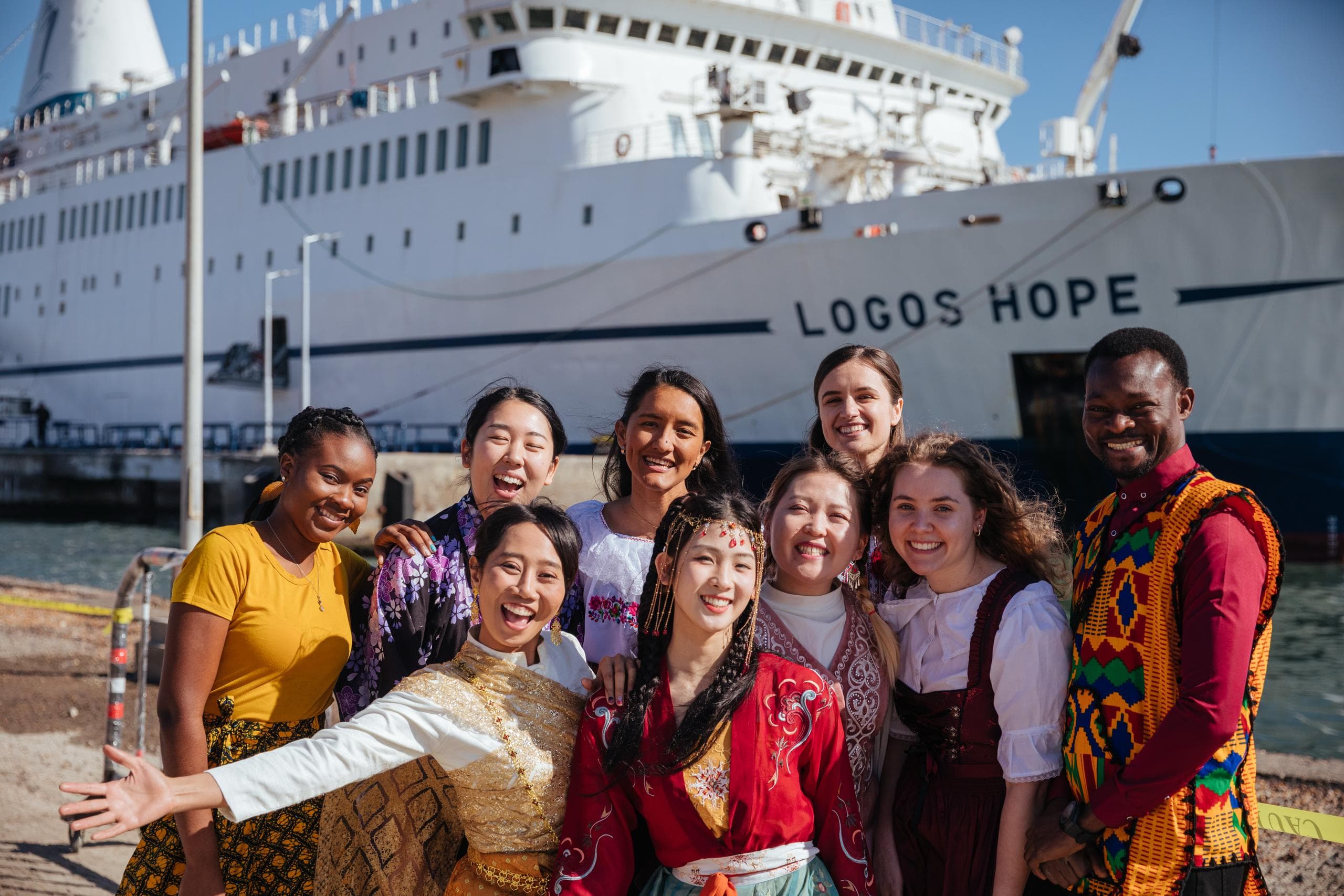
The library that travels
Have you ever heard of Logos Hope? Logos Hope is a ship that travels to different countries, filled with books. If you are someone who loves books, t...
Features
Aug 24, 2026 3 min read
Balancing books and bills: the struggles of working students
By 6:15 a.m., Abena Owusu-Ansah is on a trotro down the Spintex road, textbook on her knee, name tag from the supermarket tucked in her bag. Lectures ...