
Features
Seasons of a man's life: embracing the passage of time
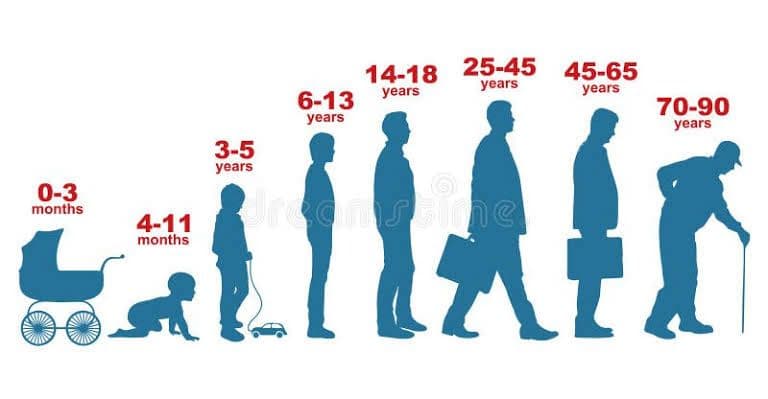
Time is the silent traveler that walks with every man: never in haste, never delayed. It shapes us quietly, not with loud explosions, but with everyday choices, small wins, unexpected setbacks, and moments that change our perspectives forever. The passage of time in a man’s life can be seen through different seasons: childhood, youth, adulthood, and old age. Each stage is like a chapter in a book, teaching unique lessons if we only take time to reflect.
As a boy, childhood is often the season of innocence. It is filled with laughter, learning, and the comforting presence of family. Many men can recall how their days were once spent running errands for their mothers or playing football on dusty streets with friends. Time during this stage seems endless. Holidays feel like they stretch on forever, and birthdays are major celebrations. Yet, at that age, we rarely understand how these simple moments become the very foundation of who we are. It’s only later in life, during difficult or reflective times, that we come to appreciate those days of security and freedom.
Youth, the second stage of life, comes with great excitement but also great confusion. It is a time of ambition and restlessness, where dreams are big and the fear of failing is low until reality hits. During this phase, a young man might start tertiary education full of hopes, aiming to become a top lawyer, doctor, accountant, or business owner. But life often takes unexpected turns. Financial constraints, family issues, and even personal doubt can interfere. A student might have to sell airtime or drive a friend’s Uber just to survive. He begins to understand that time is not merely something to spend; it’s something to invest. Mistakes made during this period, like falling into bad company or giving up too early, may be costly, but they also become stepping stones to maturity. It is in these years that many begin to respect time and recognize that lost time can rarely be regained.
Adulthood arrives quickly and demands a higher level of responsibility. At this point, a man is no longer thinking only of himself. Marriage, children, rent, and bills all become part of daily life. He now bears the weight of others’ hopes on his shoulders. The days feel shorter – not because the hours have changed, but because so much must be done within them. A man in his thirties or forties may find himself constantly asking, “Am I where I planned to be?” He may reflect on the dreams he had in his youth, measuring how far he has come or how far he still has to go. In this season, time becomes precious, and choices become more serious. Friendships grow fewer but deeper. Health becomes more important. There is a greater focus on building a legacy – something that will outlive him. Whether successful or struggling, he realizes that time is not waiting for anyone.
Finally, old age presents itself quietly. The once energetic body slows down. Retirement may come, and with it, a chance to reflect deeply. An elderly man often sits with a calm face but a mind full of stories. He remembers the days he built a career, raised his children, and chased his dreams. Now, he finds joy in simpler things: a conversation with a grandchild, a visit from an old friend, or a morning walk. The regrets may come – opportunities missed, relationships lost – but so do the moments of pride. For instance, a retired teacher who once helped hundreds of students succeed may feel fulfilled seeing one of them become a doctor or a lawyer. In this final season, peace becomes more valuable than possessions. Time has taught its final lesson: that life is about impact, not just income.
Across all these stages, time imparts invaluable lessons. It relentlessly marches forward, irrespective of our readiness. It demonstrates how our actions today mold our future, and it compels us to live with intention – not merely existing, but cherishing each moment. Ultimately, time isn't an adversary but a constant companion, a quiet mentor offering guidance and wisdom to those who are receptive.
Related Stories & Campus Highlights
View All in Features →
Features
Sep 9, 2026 3 min read
Survivors don't wear capes: they just don't quit
Survival is not merely about staying alive; it is the courage to keep moving forward when life presents its greatest challenges. Every day, people fac...

Features
Sep 8, 2026 3 min read
Where challenges become stepping stones: a semester of promise
The reopening of school marks the beginning of another exciting academic journey filled with fresh opportunities and new challenges. Campuses that wer...
Features
Sep 6, 2026 3 min read
The library that travels
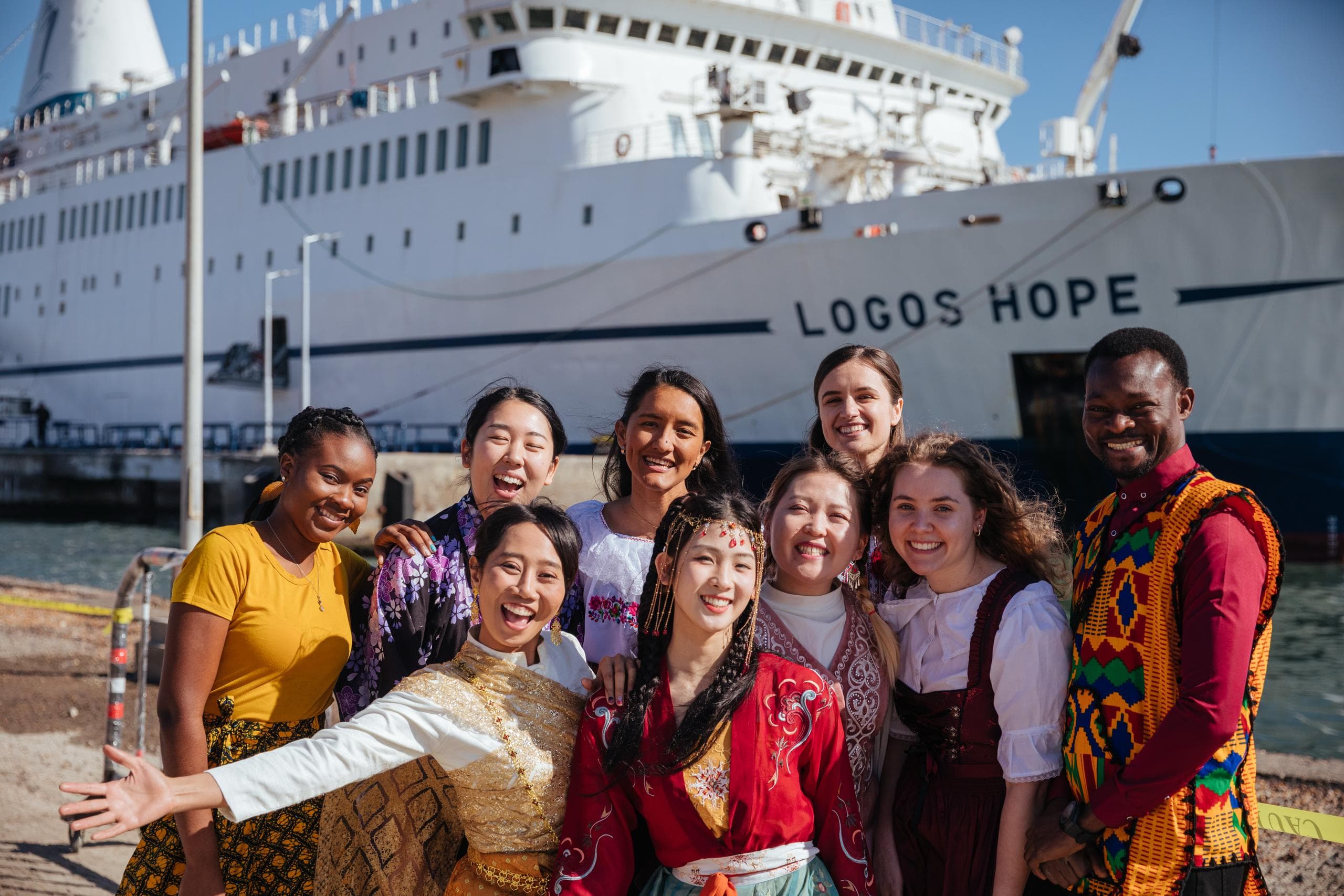
Have you ever heard of Logos Hope? Logos Hope is a ship that travels to different countries, filled with books. If you are someone who loves books, t...
Features
Aug 24, 2026 3 min read
Balancing books and bills: the struggles of working students
By 6:15 a.m., Abena Owusu-Ansah is on a trotro down the Spintex road, textbook on her knee, name tag from the supermarket tucked in her bag. Lectures ...