
Sports
The origins of Arsenal Football Club: From factory workers to a Global giant
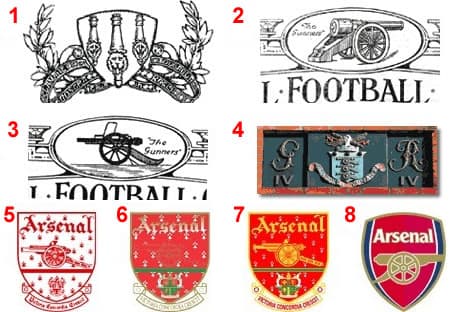
Arsenal Football Club is one of the most historic and influential teams in English football, with a story that began in the industrial heart of London.
Founded in 1886, the club’s rise from a workers’ team to a global football powerhouse reflects both innovation and resilience.
Beginnings at Woolwich Arsenal
Arsenal was founded in October 1886 by a group of workers at the Royal Arsenal munitions factory in Woolwich, southeast London. Originally named Dial Square, the team played its first match on Christmas Day in 1886, winning 6–0.
Shortly after, the club was renamed Royal Arsenal, before becoming Woolwich Arsenal in 1891 when it turned professional, one of the first southern clubs to do so at a time when football was dominated by northern teams.
Entry into the Football League
In 1893, Woolwich Arsenal made history by becoming the first club from southern England to join the Football League. Despite early success, financial difficulties and declining attendances plagued the club in the early 20th century.
By 1910, Arsenal was on the brink of collapse before being rescued by businessman Sir Henry Norris, a move that would alter the club’s future.
The Move to Highbury
One of the most defining moments in Arsenal’s history came in 1913, when the club relocated from Woolwich to Highbury, north London. The move was controversial but proved transformative, placing the club closer to a larger fan base.
The club dropped “Woolwich” from its name in 1914, becoming simply Arsenal Football Club.
Rise to Power Under Herbert Chapman
Arsenal’s golden era began in the 1930s under legendary manager Herbert Chapman. Chapman revolutionized English football by introducing tactical innovations, shirt numbers, floodlights, and improved training methods.
Under his leadership, Arsenal won multiple First Division titles and FA Cups, establishing themselves as one of England’s dominant clubs.
Post-War Success and Stability
Arsenal continued to enjoy success after World War II, winning league titles and domestic cups through the 1940s and 1950s. The club maintained a reputation for discipline, strong defense, and technical excellence.
Modern Era and Global Expansion
The late 20th and early 21st centuries saw Arsenal evolve into a global brand, particularly under manager Arsène Wenger, who took charge in 1996.
Wenger modernized the club’s philosophy, emphasizing attacking football, youth development, and sports science.
Arsenal’s most famous achievement came in the 2003–04 season, when the team went unbeaten in the Premier League, earning the nickname “The Invincibles.”
Emirates Stadium and Present Day
In 2006, Arsenal moved from Highbury to the Emirates Stadium, marking a new chapter focused on financial sustainability and long-term growth.
Today, Arsenal remains one of England’s most supported clubs worldwide, known for its rich history, passionate fan base, and commitment to attractive football.
A Club Built on Tradition
From factory workers in Woolwich to title challengers on the world stage, Arsenal’s journey is a testament to ambition, innovation, and enduring identity. Over a century later, the club continues to shape English football while honoring its humble beginnings.
Related Stories & Campus Highlights
View All in Sports →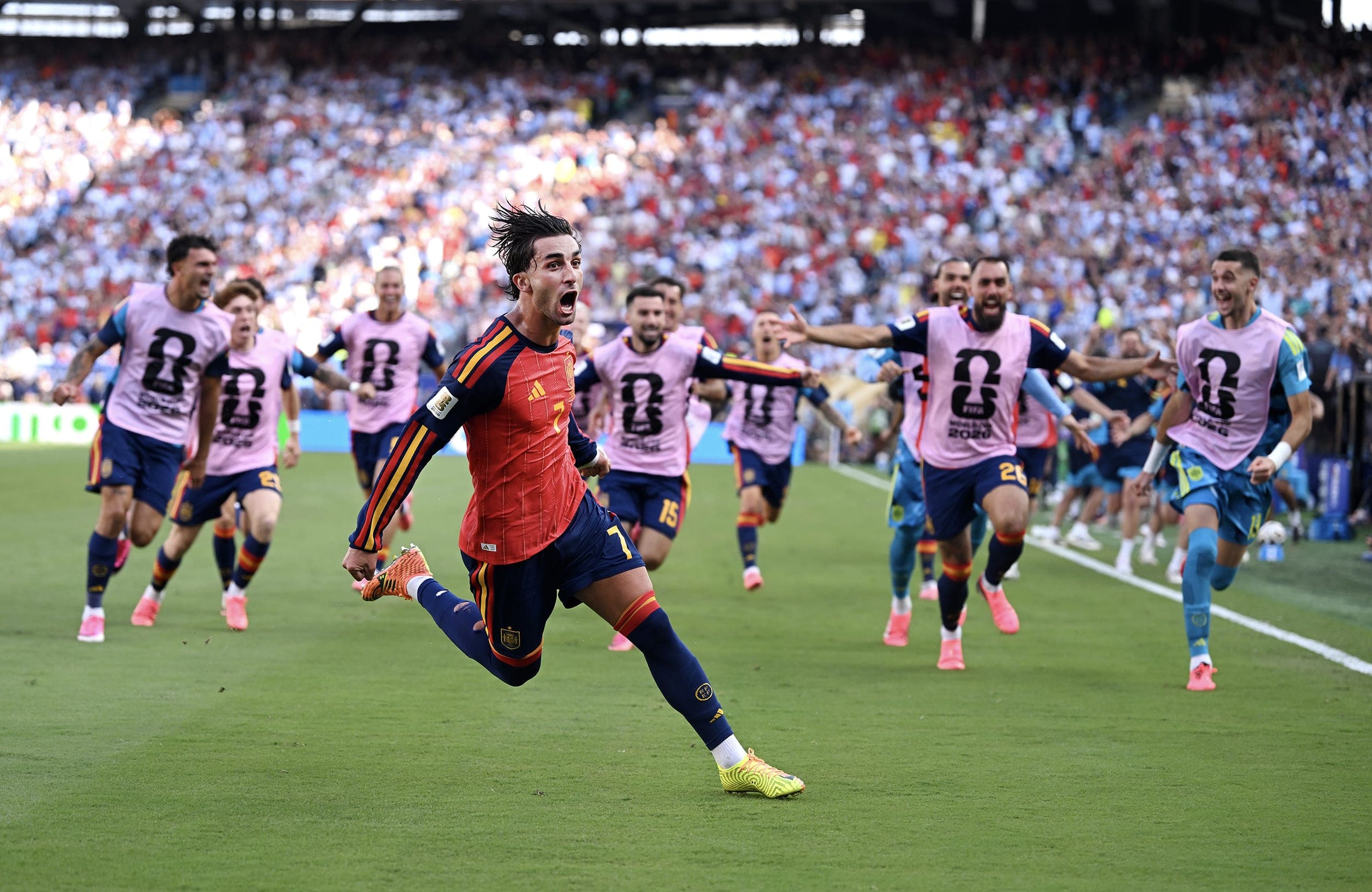
Sports
Jul 19, 2026 3 min read
Spain Beat Argentina After Extra Time to Win 2026 FIFA World Cup
Spain are world champions for the second time after Ferran Torres' extra-time winner secured a 1-0 victory over Argentina in a gripping 2026 FIFA Worl...

Sports
Jun 28, 2026 3 min read
Croatia Edge Ghana in World Cup Thriller Despite Black Stars’ Brave Fight
Ghana suffered a narrow defeat to Croatia in their final Group L outing at the 2026 FIFA World Cup after a late winner sealed a dramatic 2-1 result in...
Sports
Jun 23, 2026 3 min read
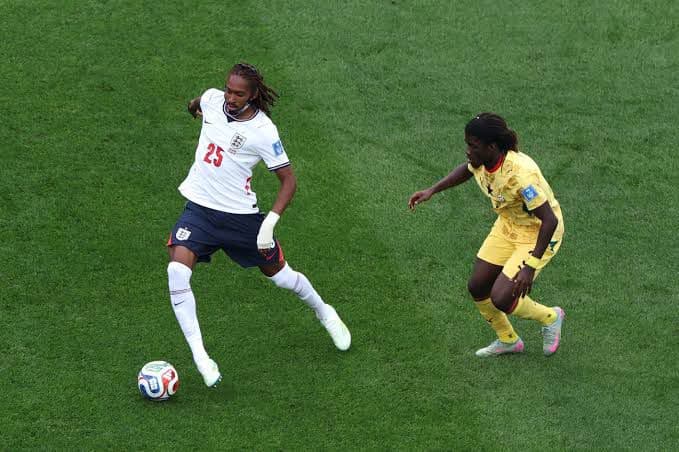
Black Stars Stand Firm to Hold England in Tense World Cup Battle
Boston, USA — June 23, 2026 Ghana produced a disciplined and resilient performance to earn a valuable draw against England in their second Group L ma...

Sports
Jun 18, 2026 3 min read
Late Yirenkyi Strike Gives Ghana Winning Start at World Cup
Ghana opened their 2026 FIFA World Cup campaign with a dramatic victory over Panama as a stoppage-time goal handed the Black Stars all three points in...