
Sports
The origins of Athletic Bilbao: A club built on identity and tradition
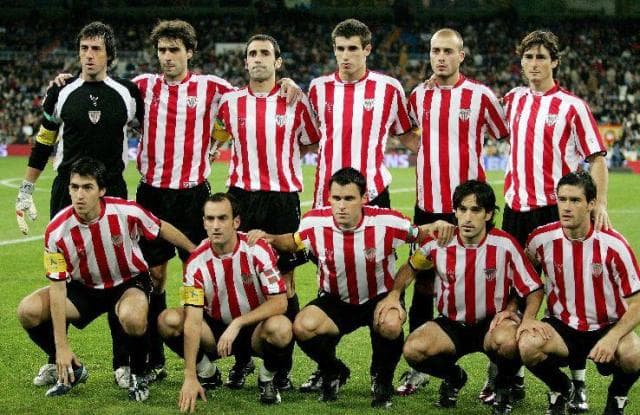
Athletic Club, commonly known as Athletic Bilbao, is one of football’s most unique and historic institutions, distinguished not only by its longevity but also by its deep-rooted cultural identity. Founded in 1898 in the Basque city of Bilbao, Spain, the club has grown to become a powerful symbol of regional pride and footballing tradition.
British Influence and Early Beginnings
The story of Athletic Bilbao began in the late 19th century when football was introduced to the Basque Country by British shipyard workers and sailors who frequented the port of Bilbao. Around the same time, Basque students returning from studies in England brought the game home with them.
In 1898, these two groups merged their passion for the sport, forming a team that would later be officially named Athletic Club. The club adopted the English spelling “Athletic” rather than the Spanish “Atlético,” a reflection of its British roots.
Establishment and Early Success
Athletic Club was officially recognized in 1901, and by 1902, the team had already made an impact by winning the Copa de la Coronación, a tournament considered the precursor to today’s Copa del Rey.
The club quickly established itself as a dominant force in Spanish football, winning multiple Copa del Rey titles in the early 20th century. Athletic Bilbao became known for its physical style of play, discipline, and strong team cohesion.
Founding Members of La Liga
In 1929, Athletic Club became one of the founding members of La Liga, Spain’s top-flight football league. Since then, the club has maintained an extraordinary record: it has never been relegated from La Liga, a feat shared only with Real Madrid and FC Barcelona.
The Basque-Only Philosophy
Perhaps the most defining aspect of Athletic Bilbao is its Basque-only player policy, introduced in the early years of the club. Athletic fields only players who are either born in the Basque Country or have been developed in Basque football academies.
This philosophy has made Athletic Bilbao a powerful symbol of Basque identity, self-reliance, and cultural pride, setting the club apart in the modern era of globalized football.
San Mamés: The Cathedral of Football
Athletic Bilbao’s legendary home ground, San Mamés, first opened in 1913 and quickly earned the nickname “La Catedral” due to the club’s almost spiritual connection with its fans. A new, modern San Mamés stadium was inaugurated in 2013, preserving the legacy while embracing modern football infrastructure.
A Legacy Beyond Trophies
Over its long history, Athletic Club has won eight La Liga titles and 24 Copa del Rey trophies, making it one of Spain’s most successful clubs. However, its legacy extends far beyond silverware.
Athletic Bilbao stands as a rare example of a club that has remained loyal to its founding principles in an era driven by commercialism and globalization.
Enduring Symbol of Identity
More than a football club, Athletic Bilbao represents community, tradition, and resistance to conformity.
Over a century after its founding, the club continues to compete at the highest level while staying true to its roots, a testament to the power of identity in sport.
Related Stories & Campus Highlights
View All in Sports →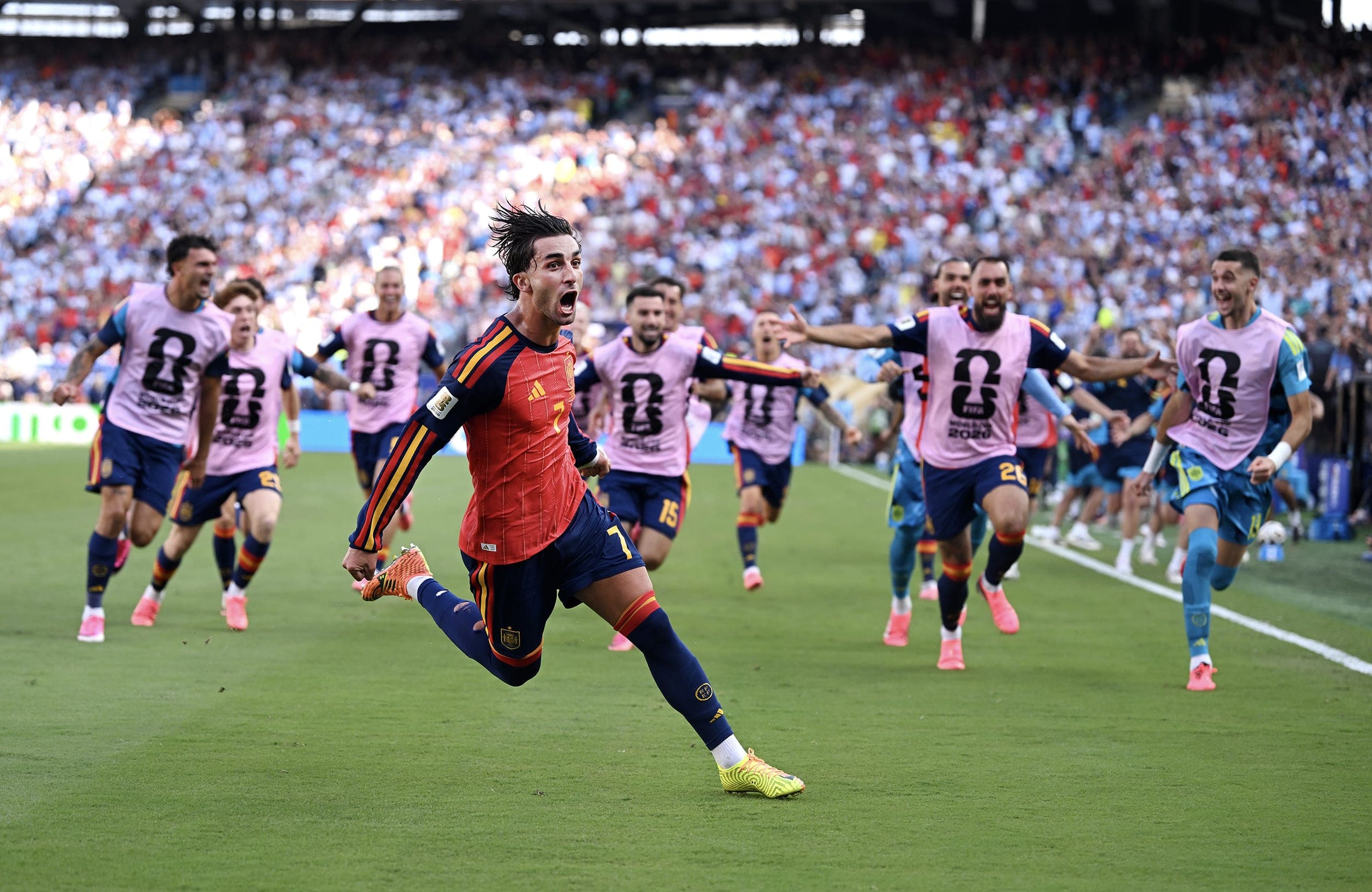
Sports
Jul 19, 2026 3 min read
Spain Beat Argentina After Extra Time to Win 2026 FIFA World Cup
Spain are world champions for the second time after Ferran Torres' extra-time winner secured a 1-0 victory over Argentina in a gripping 2026 FIFA Worl...
Sports
Jun 28, 2026 3 min read
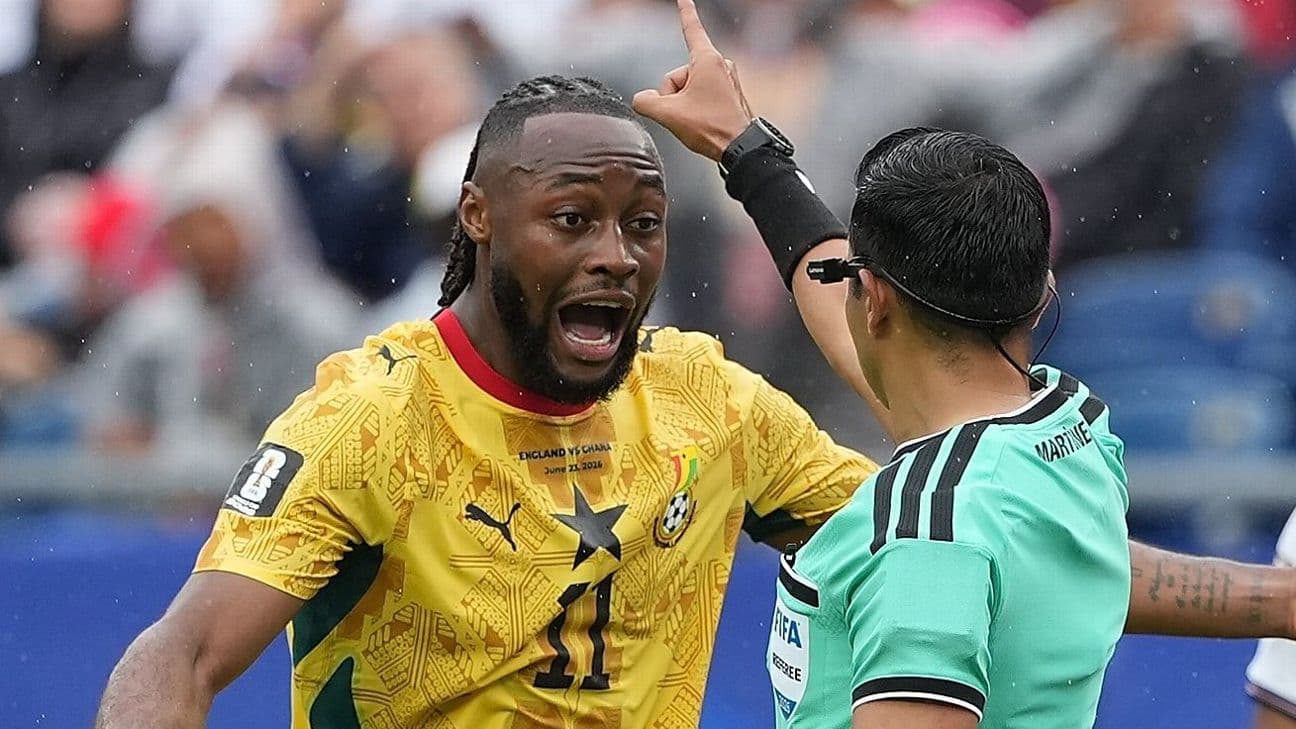
Croatia Edge Ghana in World Cup Thriller Despite Black Stars’ Brave Fight
Ghana suffered a narrow defeat to Croatia in their final Group L outing at the 2026 FIFA World Cup after a late winner sealed a dramatic 2-1 result in...
Sports
Jun 23, 2026 3 min read
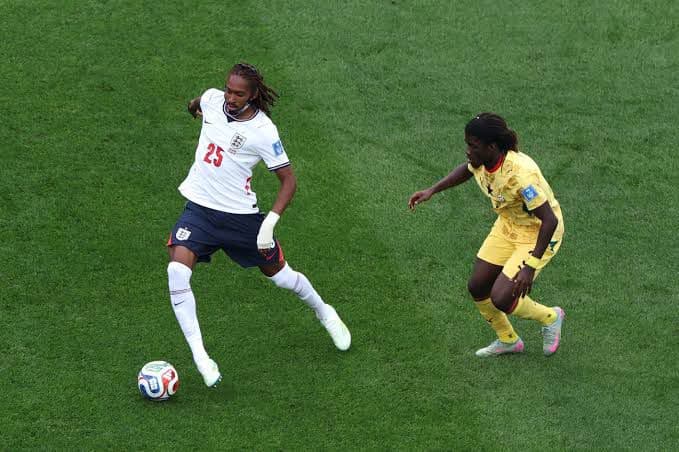
Black Stars Stand Firm to Hold England in Tense World Cup Battle
Boston, USA — June 23, 2026 Ghana produced a disciplined and resilient performance to earn a valuable draw against England in their second Group L ma...
Sports
Jun 18, 2026 3 min read
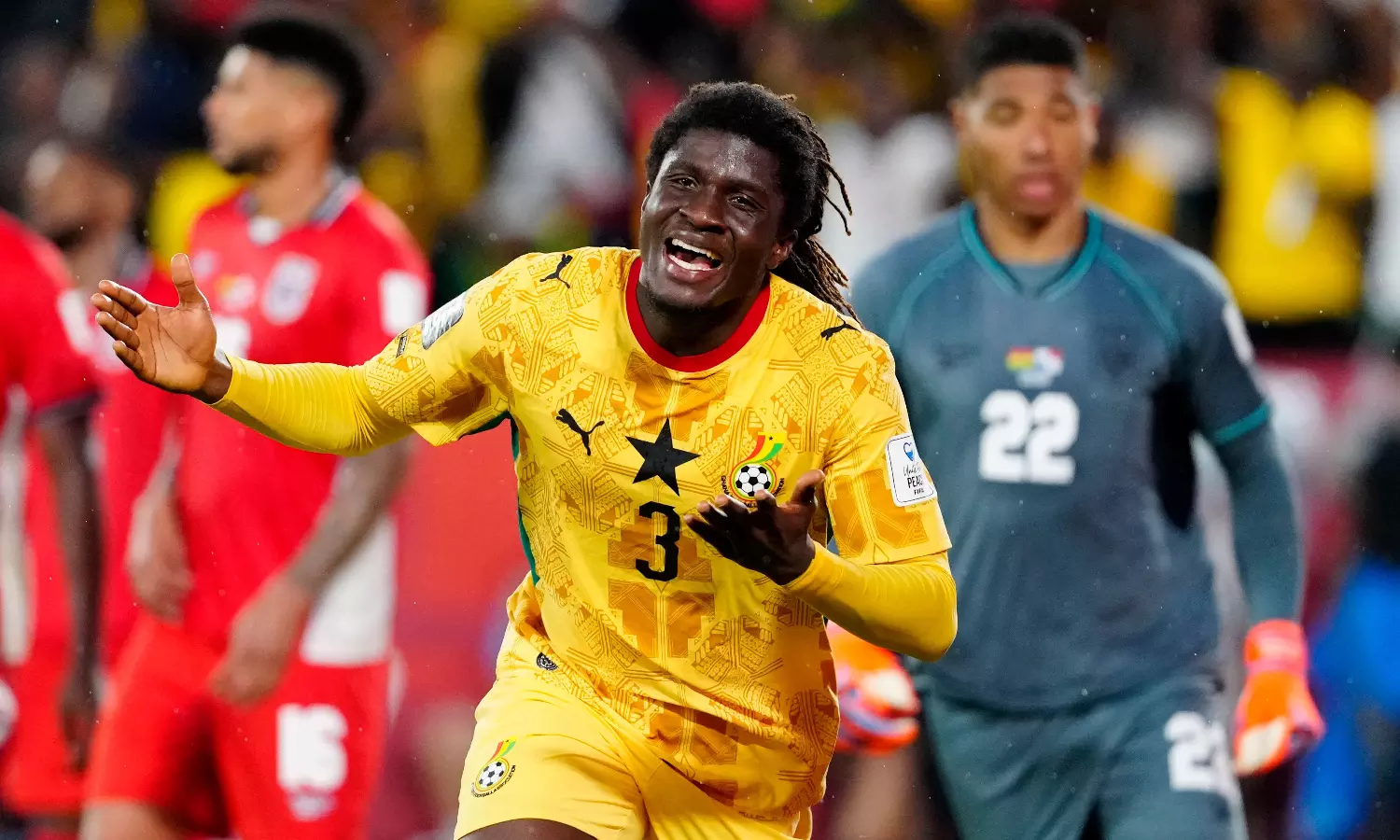
Late Yirenkyi Strike Gives Ghana Winning Start at World Cup
Ghana opened their 2026 FIFA World Cup campaign with a dramatic victory over Panama as a stoppage-time goal handed the Black Stars all three points in...