
Features
The stress of writing exams and searching for hostel: students’ burden
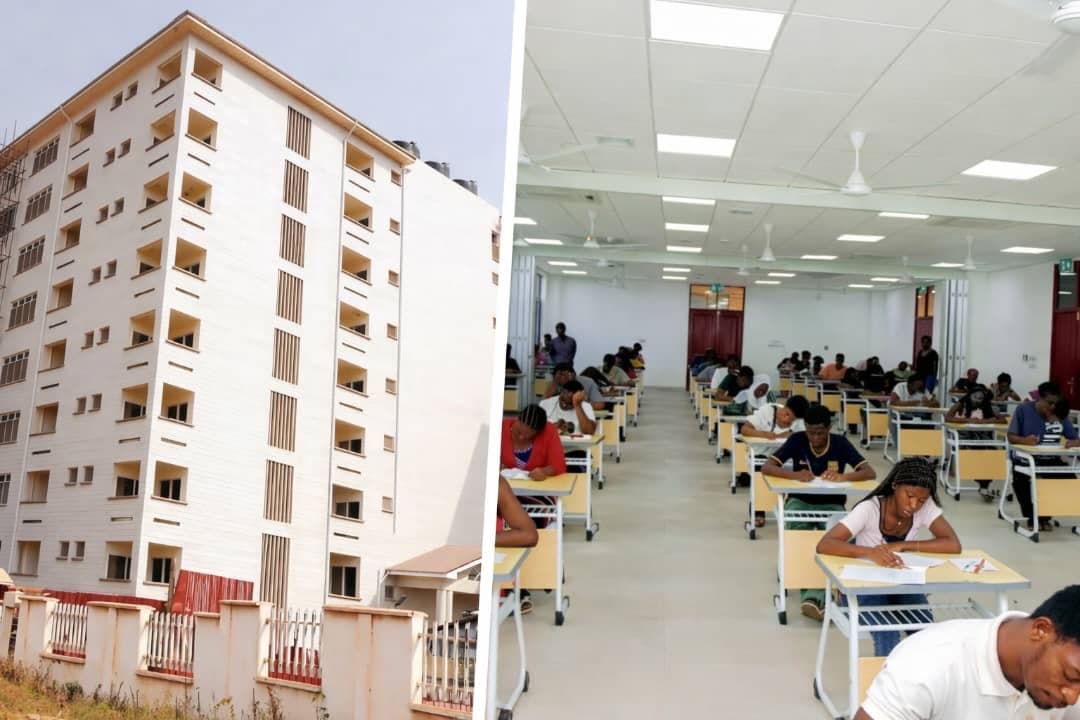
For many students in Ghana, especially those schooling around Madina, the academic journey is not just about attending lectures and passing exams. It is a constant balancing act between academic pressure and the everyday struggle of survival. One of the most overwhelming combinations students face is writing exams while desperately searching for a hostel.
As exam season approaches, tension naturally rises. Students spend long hours revising, attending group discussions, and battling anxiety over grades. In places like Madina, where several tertiary institutions and private hostels are clustered, this stress is multiplied by another harsh reality, accommodation is scarce, expensive, and highly competitive.
Imagine preparing for your final paper while moving from street to street, asking security men, caretakers, and friends, “Is there any room available?” This is the reality for many students. Some hostels give short notices for eviction, others increase rent unexpectedly, and in some cases, students are forced to leave because their hostel has been converted for another purpose. All of this often happens right in the middle of exams.
Madina, being a busy student hub close to UPSA and other institutions, has become a hotspot for hostel hunting. The demand is high, but the supply is limited. Landlords and hostel owners are fully aware of this and sometimes take advantage of students by charging high fees for small, poorly ventilated rooms. Yet, students have little choice, it’s either accept the conditions or risk sleeping with friends, in kiosks, or commuting long distances daily.
The mental toll of this situation cannot be ignored. Writing exams already comes with pressure: fear of failure, expectations from family, and the desire to graduate on time. Adding accommodation worries to this mix often leads to burnout, sleepless nights, and lack of concentration. Some students admit that instead of revising, they spend their nights worrying about where they will sleep after exams.
Financial stress also plays a major role. Hostel fees in Madina can be overwhelming, especially for students who depend entirely on parents or guardians. Not every family can raise money at short notice, and some students feel guilty even making the call home. As a result, academic performance suffers, and the very purpose of education is threatened.
Despite these challenges, students continue to push through. Many rely on friendships, temporary arrangements, and pure resilience to survive the period. Social media groups and WhatsApp platforms have become modern tools for hostel hunting, where a single post can sometimes save a student from sleeping outdoors. Still, these are temporary solutions to a long-standing problem.
The stress of writing exams while searching for hostel underscores a bigger issue within Ghana’s educational system, student welfare is often overlooked. Affordable and accessible accommodation should not be a luxury but a basic necessity for learning to thrive. Until this problem is properly addressed, students in Madina and other academic communities will continue to carry this heavy burden.
In the end, surviving as a student in Madina requires more than intelligence; it requires patience, strength, and an ability to endure pressure from all sides. While exams will eventually end, the struggle for accommodation remains a recurring challenge, one that students should not have to face alone.
Related Stories & Campus Highlights
View All in Features →
Features
Sep 9, 2026 3 min read
Survivors don't wear capes: they just don't quit
Survival is not merely about staying alive; it is the courage to keep moving forward when life presents its greatest challenges. Every day, people fac...
Features
Sep 8, 2026 3 min read
Where challenges become stepping stones: a semester of promise
The reopening of school marks the beginning of another exciting academic journey filled with fresh opportunities and new challenges. Campuses that wer...

Features
Sep 6, 2026 3 min read
The library that travels
Have you ever heard of Logos Hope? Logos Hope is a ship that travels to different countries, filled with books. If you are someone who loves books, t...
Features
Aug 24, 2026 3 min read
Balancing books and bills: the struggles of working students
By 6:15 a.m., Abena Owusu-Ansah is on a trotro down the Spintex road, textbook on her knee, name tag from the supermarket tucked in her bag. Lectures ...