
Sports
The tragic story of Nigerian footballer sentenced to death in Singapore
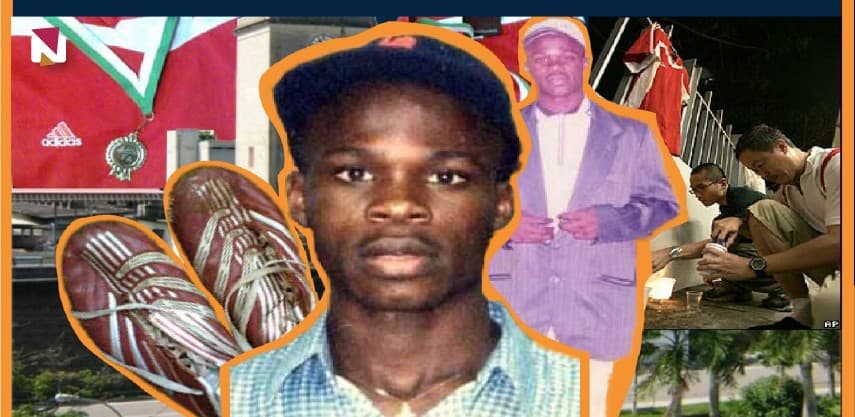
The story of Iwuchukwu Amara Tochi, a young Nigerian footballer, remains one of the most tragic and cautionary tales involving African youth migration and the dangers of exploitation abroad.
Born in Nigeria and raised in modest circumstances, Tochi was a talented footballer with dreams of building a better life through the sport he loved. Like many young Africans seeking opportunities beyond their borders, he travelled to Singapore in 2004 after being promised a football opportunity that could change his life.
However, that dream quickly turned into a nightmare.
Arrest and Conviction
Shortly after arriving in Singapore, Tochi was arrested at Changi Airport after authorities discovered a package containing heroin in his possession. Tochi maintained that he had been deceived and was unaware of the contents of the parcel, insisting he had been used as a courier under false pretences.
Despite his claims, Singapore’s strict drug laws left little room for leniency. He was charged with drug trafficking, an offence that carries a mandatory death sentence under Singaporean law if guilt is established beyond reasonable doubt.
In 2006, Tochi was convicted and sentenced to death by hanging.
International Appeals and Execution
The case attracted widespread attention in Nigeria and beyond, sparking diplomatic appeals, human rights campaigns, and calls for clemency. Civil society groups, religious leaders, and Nigerian officials appealed to Singaporean authorities to reconsider the sentence, citing Tochi’s youth, background, and alleged lack of knowledge about the drugs.
Despite these efforts, all appeals were exhausted. On January 26, 2007, Iwuchukwu Amara Tochi was executed, at just 21 years old.
A Lasting Legacy and Cautionary Tale
Years later, Tochi’s story continues to resonate across Africa as a powerful warning about human trafficking, false promises abroad, and the vulnerability of young people chasing better lives. His case highlights how poverty, desperation, and trust in the wrong individuals can have irreversible consequences.
Often remembered through a poignant quote attributed to him, Tochi expressed hope that his story would protect others from suffering a similar fate, a message that remains painfully relevant today.
As migration, football scouting scams, and illicit trafficking networks continue to prey on young talents, the life and death of Iwuchukwu Amara Tochi stand as a sobering reminder of the cost of misplaced trust and the urgent need for greater protection and awareness for aspiring athletes.
Related Stories & Campus Highlights
View All in Sports →
Sports
Jul 19, 2026 3 min read
Spain Beat Argentina After Extra Time to Win 2026 FIFA World Cup
Spain are world champions for the second time after Ferran Torres' extra-time winner secured a 1-0 victory over Argentina in a gripping 2026 FIFA Worl...
Sports
Jun 28, 2026 3 min read
Croatia Edge Ghana in World Cup Thriller Despite Black Stars’ Brave Fight
Ghana suffered a narrow defeat to Croatia in their final Group L outing at the 2026 FIFA World Cup after a late winner sealed a dramatic 2-1 result in...

Sports
Jun 23, 2026 3 min read
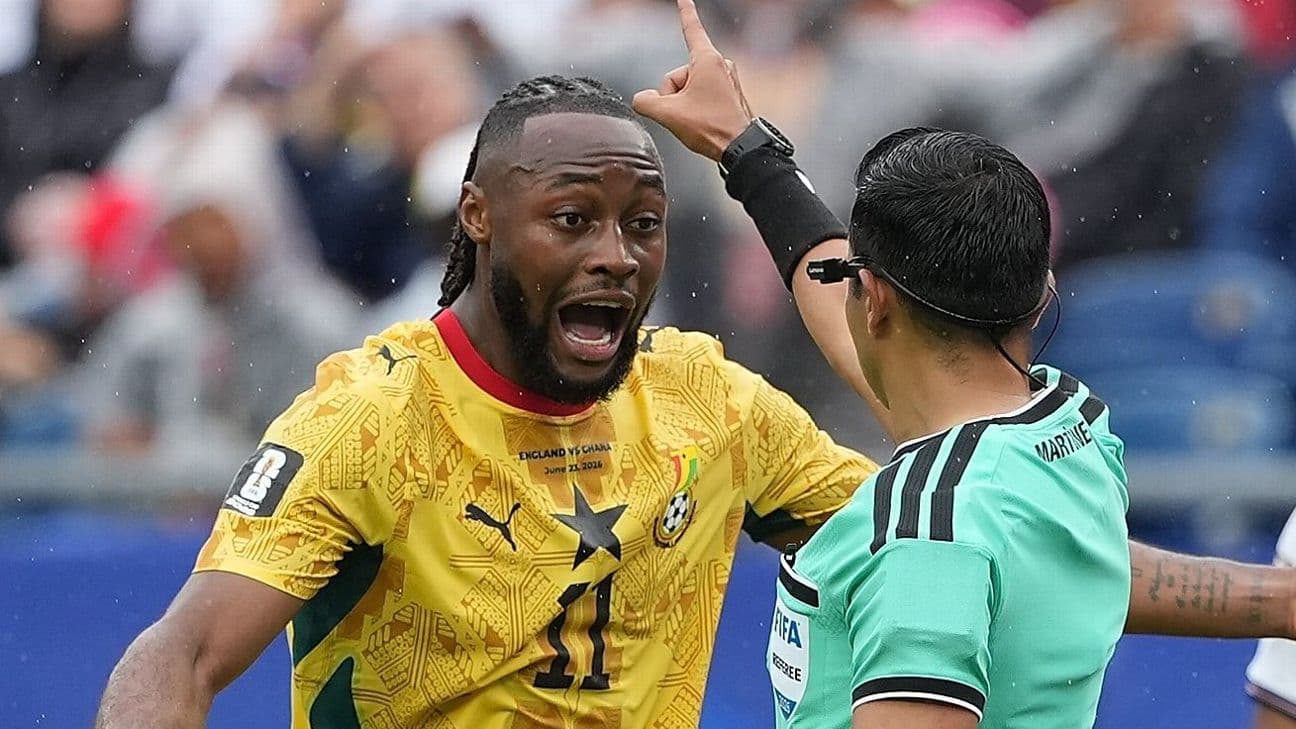
Black Stars Stand Firm to Hold England in Tense World Cup Battle
Boston, USA — June 23, 2026 Ghana produced a disciplined and resilient performance to earn a valuable draw against England in their second Group L ma...
Sports
Jun 18, 2026 3 min read
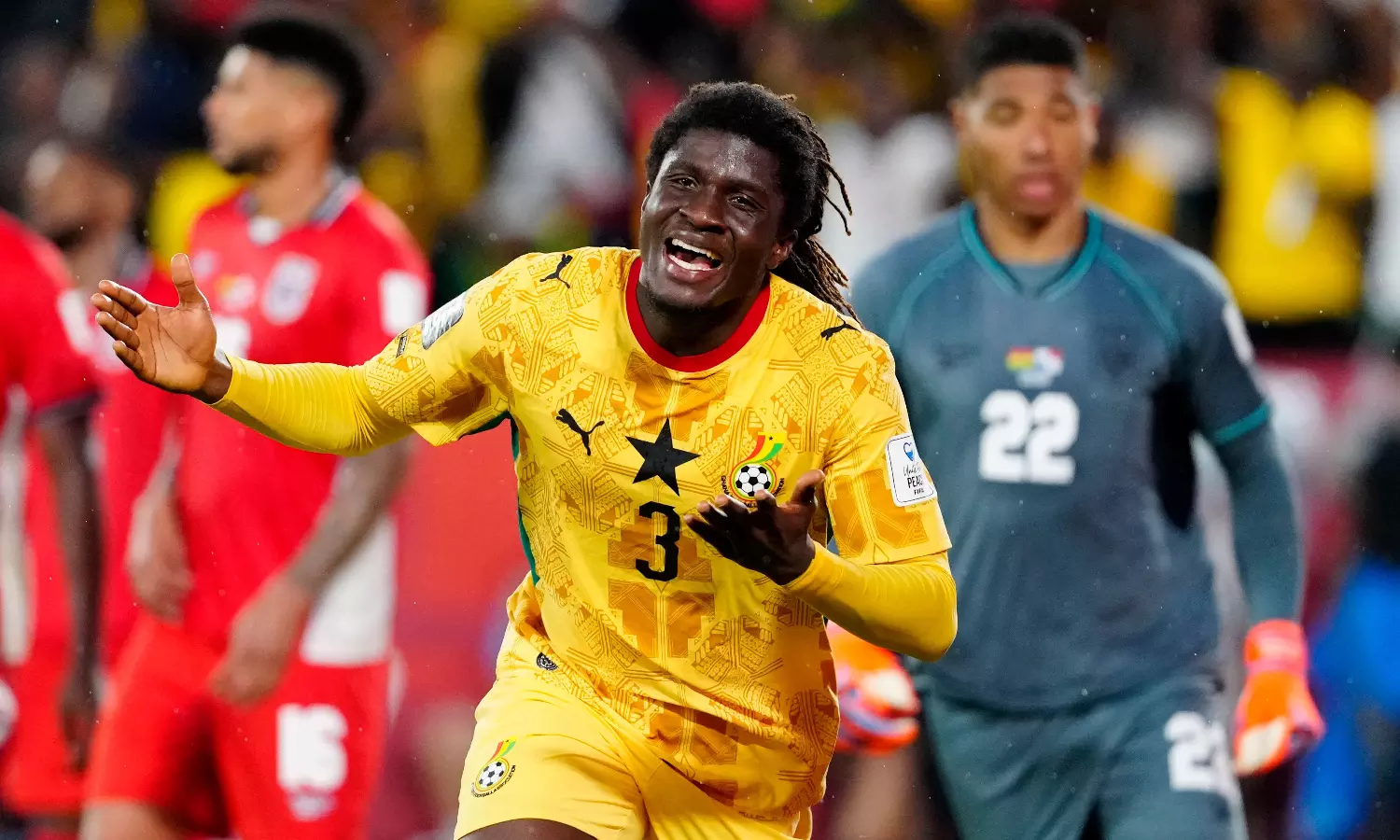
Late Yirenkyi Strike Gives Ghana Winning Start at World Cup
Ghana opened their 2026 FIFA World Cup campaign with a dramatic victory over Panama as a stoppage-time goal handed the Black Stars all three points in...