
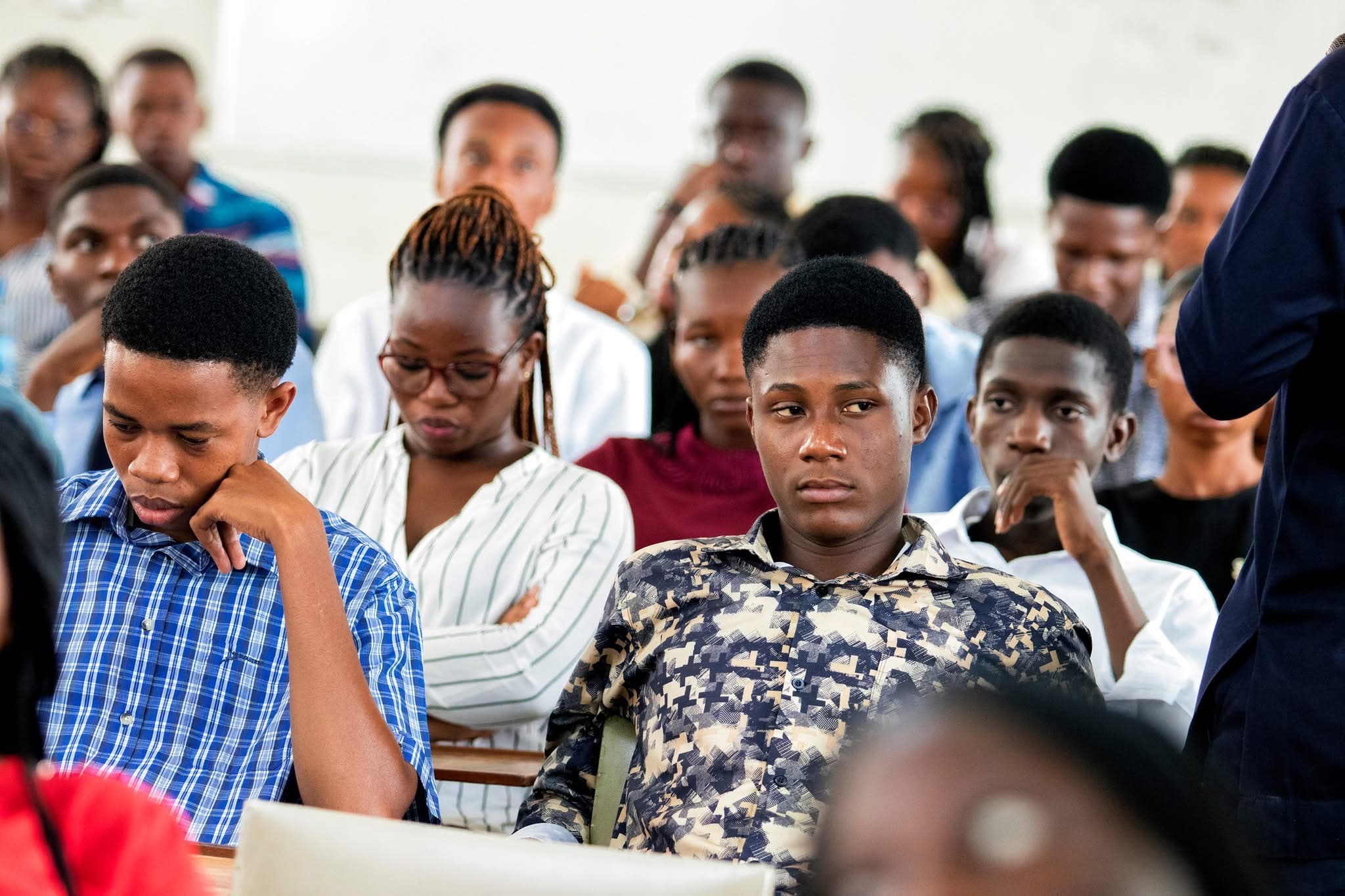
The phrase “a man must man up” has long been used to encourage resilience and toughness among men. It is often framed as advice. In practice, it has become a social standard that shapes how men are expected to behave from an early age.
Across many societies, boys are taught to suppress visible signs of vulnerability. Crying, fear, or emotional expression are often discouraged, while endurance and emotional restraint are praised. Over time, these expectations form a narrow definition of masculinity, one that prioritizes strength and control over openness.
As a result, many men grow up believing they must handle challenges alone. Emotional struggles are often internalized rather than expressed. Seeking help is often viewed as a sign of weakness, creating a barrier between men and the support systems available to them.
This pattern has broader implications. According to global health data, men account for approximately 67 percent of suicide deaths worldwide, roughly two out of every three people who die by suicide. The disparity has raised concerns among health professionals about how social expectations influence the way men respond to stress, emotional strain, and personal crises.
Research suggests that emotional suppression and social pressure play a significant role. When vulnerability is discouraged, men are less likely to speak openly about their struggles or seek professional help. In many cases, distress goes unaddressed, increasing the risk of long-term mental health challenges.
The expectation for men to remain strong in all circumstances also affects their daily lives and relationships. Men are often positioned as providers and protectors, roles that emphasize responsibility and endurance. However, these expectations rarely account for emotional needs, leaving many men to manage pressure without adequate support.
In social settings, expressions of vulnerability can be met with scepticism or dismissal, reinforcing the idea that silence is a sign of strength. This creates a cycle in which men continue to internalize their struggles while maintaining an outward image of control.
While the phrase “man up” is still widely used, its impact is receiving increasing attention. Critics argue that such language, though often intended to motivate, can discourage open conversations about mental health and reinforce harmful norms around emotional expression.
As awareness grows, there is a shift toward encouraging more balanced views of masculinity, where resilience and emotional openness are not seen as opposites. For many, this shift represents a step toward addressing the silent pressures men face and creating space for more honest conversations about their experiences.
SC
Selina cherita
public
Voice of UPSA editorial team member.
Loading discussion...
Related Stories & Campus Highlights
View All in Features →
Features
Sep 9, 2026 3 min read
Survivors don't wear capes: they just don't quit
Survival is not merely about staying alive; it is the courage to keep moving forward when life presents its greatest challenges. Every day, people fac...

Features
Sep 8, 2026 3 min read
Where challenges become stepping stones: a semester of promise
The reopening of school marks the beginning of another exciting academic journey filled with fresh opportunities and new challenges. Campuses that wer...

Features
Sep 6, 2026 3 min read
The library that travels
Have you ever heard of Logos Hope? Logos Hope is a ship that travels to different countries, filled with books. If you are someone who loves books, t...
Features
Aug 24, 2026 3 min read
Balancing books and bills: the struggles of working students
By 6:15 a.m., Abena Owusu-Ansah is on a trotro down the Spintex road, textbook on her knee, name tag from the supermarket tucked in her bag. Lectures ...