
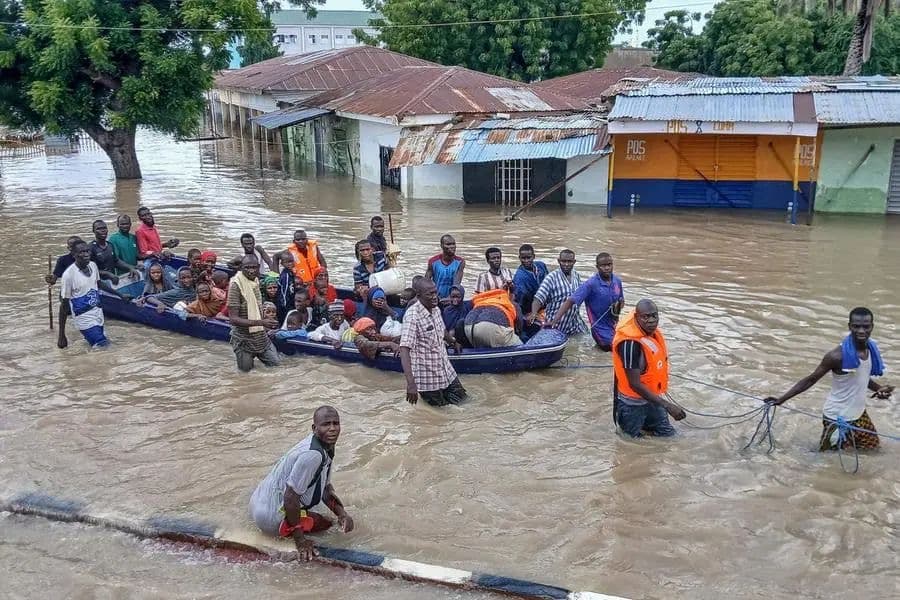
For many Ghanaians, June 3 is not just another day on the calendar. It is a date that brings memories of loss, pain, and a national tragedy that shook the country. Eleven years after the devastating June 3, 2015 flood and fire disaster at Kwame Nkrumah Circle, the nation continues to face similar challenges whenever heavy rains fall. The recent downpour that caused flooding in parts of Accra, including Ashongman and surrounding communities, serves as another reminder that Ghana’s battle against flooding is far from over.
This year’s June 3 events were marked by more than flooding alone. Reports of a fire outbreak at Makola and the collapse of a building at Adenta New Site added to concerns about public safety and disaster preparedness. While these incidents may have different causes, they all point to a common issue: the vulnerability of our communities and infrastructure to preventable disasters. When floods, fires, and structural failures occur repeatedly, they raise questions about planning, enforcement of regulations, and maintenance of public facilities.
One of the major causes of flooding in Ghana remains poor drainage and sanitation. Choked gutters, indiscriminate disposal of waste, and construction on waterways continue to obstruct the free flow of water during heavy rainfall. Experts and investigations following the 2015 disaster identified drainage and waste-management failures as major contributors to the catastrophe that claimed more than 150 lives.
Fire outbreaks have also become a recurring problem in many commercial areas, especially markets. Over the years, markets such as Makola, Kaneshie, and Kejetia have experienced destructive fires that have resulted in huge financial losses for traders and families. These incidents often expose weaknesses in fire prevention measures, electrical safety, and emergency response systems.
As students and young citizens, we must view June 3 not only as a day of remembrance but also as a lesson in civic responsibility. Environmental sanitation, responsible waste disposal, adherence to building regulations, and community awareness are issues that affect everyone. The future of Ghana’s cities depends on citizens who understand that development is not only about constructing roads and buildings but also about maintaining systems that protect lives.
The annual return of floods around June 3 should not become a normal occurrence that society accepts without question. Every flood, fire outbreak, and building collapse should challenge us to demand better planning, stronger enforcement of regulations, and greater accountability from both authorities and citizens. June 3 should remind us not only of a tragedy from the past but also of our collective responsibility to prevent future disasters.
CK
Caroline Kasukose
editor
Voice of UPSA editorial team member.
Loading discussion...
Related Stories & Campus Highlights
View All in Opinions →
Opinions
Aug 29, 2026 3 min read
Behind the slogan: how UPSA prepares students for corporate Ghana
The University of Professional Studies, Accra (UPSA) proudly bills itself as the "Face of Professionalism." But is this a genuine reflection of what t...
Opinions
Aug 27, 2026 3 min read
Beyond the suggestion box: is the student voice really being heard?
Students are at the heart of every university, yet one question deserves more attention: How much influence do students really have on decisions that ...
Opinions
Aug 18, 2026 3 min read
Embracing the uncertainty of your 20s
Your 20s are often presented as the time when you should have everything figured out; your career, finances, relationships, purpose, and future. Socia...
Opinions
Aug 12, 2026 3 min read
Raising a child out of wedlock: is it really easy?
Raising a child is a major responsibility, whether the parents are married or not. However, raising a child out of wedlock can come with additional ch...