
Beyond September: why sickle cell awareness should not be seasonal
Imagine having plans, lectures to attend, assignments to submit, a job interview, a party with friends, or anything else but your body decides on its own that it's time to cancel all of that. The pain doesn't mind interrupting everything you planned the night before. The exhaustion, stress, and feelings just flood you when you least expect it. This type of pain comes with no calendar or day planner; it is no respecter of what you want.
The words "I'm sorry, but I can't make it" or "I would like to cancel…" seem to others like an easy excuse you always give to cancel on them, but to you, there's a heavier burden behind those words.
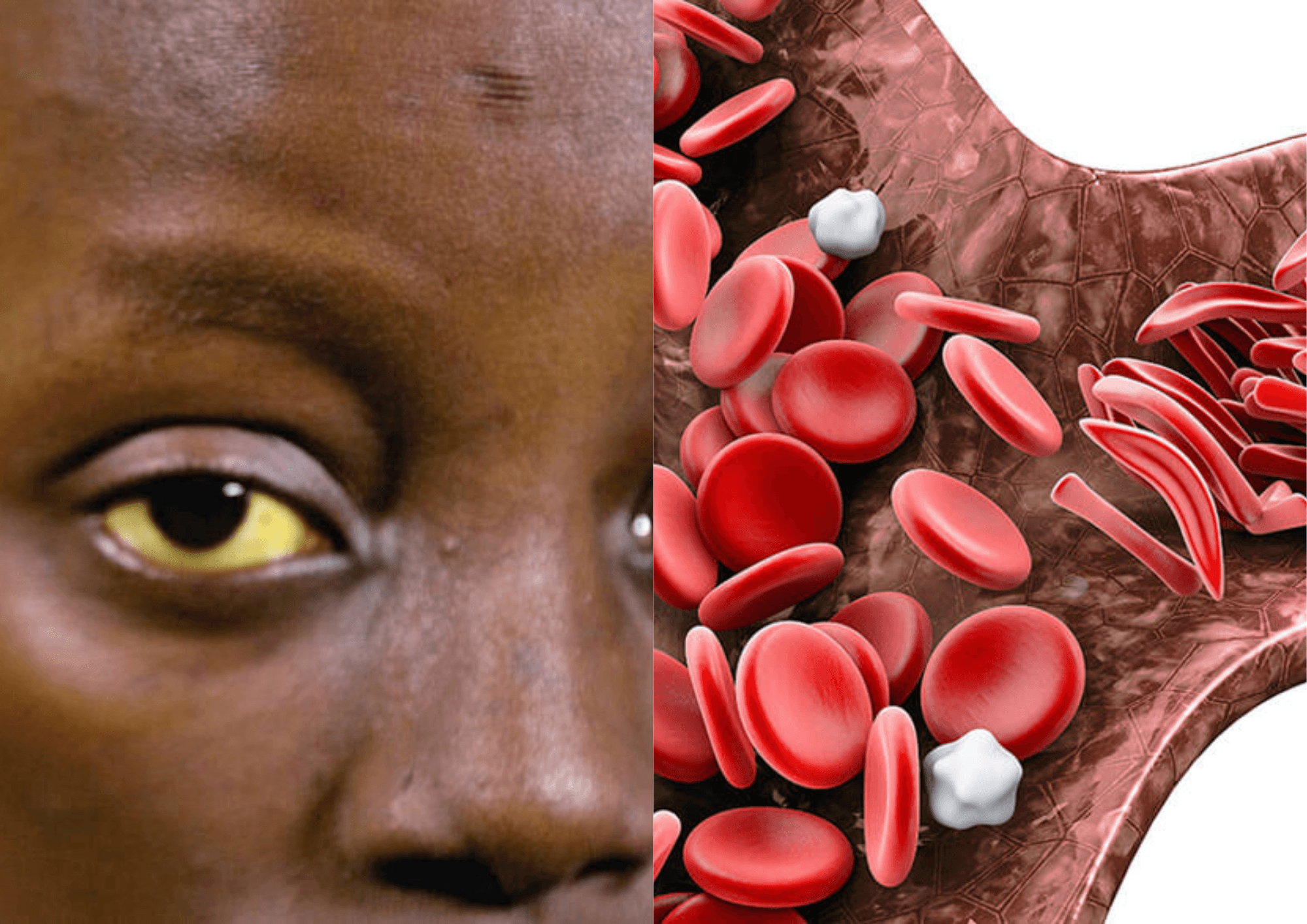
Sickle cell disease is an inherited blood disorder that causes red blood cells to become hard, sticky, and crescent-shaped, unlike normal rounded cells. It is caused by a change in the HBB gene, which makes haemoglobin, the oxygen-carrying protein in red blood cells. It is hereditary, and a child must inherit two abnormal copies of the gene, one from each parent, to develop the disease (both parents are AS, meaning they carry the trait, and give birth to a child who inherits both S genes, resulting in the disease). Inheriting one abnormal gene causes sickle cell trait (carriers usually have no symptoms), while inheriting two abnormal genes causes sickle cell disease. Two people with AS have, with each pregnancy, independently a 25% chance of an SS child, a 50% chance of an AS child, and a 25% chance of an AA child.
Some symptoms of the disease are pain crises, where the patient suffers sudden, severe pain when the misshapen cells block blood flow through tiny blood vessels, and anaemia, where the patient experiences fatigue, paleness, and shortness of breath because the sickled cells die prematurely (in 10 to 20 days for sickled red blood cells instead of the normal 120 days). Patients can also be more vulnerable to certain infections, particularly because sickle cell disease can affect the spleen and the body's ability to fight some infections.
These symptoms, however, can be managed with pain relievers, intravenous fluids, and enough rest during a crisis. Depending on their age and individual needs, some patients may be prescribed preventive antibiotics, alongside vaccinations and medications such as hydroxyurea. They may also be provided with blood transfusions to treat severe anaemia or prevent stroke. Doctors are still searching for a cure, though stem cell or bone marrow transplants offer a potential cure for select patients. One noticeable feature in some patients is yellowish skin and sclera (jaundice can occur in some patients).
Sickle cell disease is particularly prevalent in sub-Saharan Africa, where the burden of the disease is significant and access to comprehensive care remains a challenge in many communities. People get married without knowing their genotypes and often end up with children with the disease. Some take up the responsibility of caring for children with the condition, while others shirk their responsibility of caring for affected children.
People with sickle cell disease have likened the painful episodes or crises to a thousand needles in the bloodstream that cause a lot of pain and discomfort.
Those facts matter, but that is not the whole story. One of the biggest problems with sickle cell awareness is that people often learn about the disease and not the people living with it. September is not the only month in which the disease exists. We live with it our whole lives.
A person living with sickle cell is more than their condition; they are also regular people. They are students trying to pass their exams, someone's friend, sibling, child, partner, or colleague. They have ambitions, fears, talents, bad days, good days, and dreams for their future.
Yet somehow, they grow up feeling more stigma than love. They are shunned and judged for a burden they didn't have a choice in. There are people who still believe that people living with sickle cells are plagued by spirits and demons and are often seen to be impure, especially in traditional communities. Others assume they cannot live beyond a certain age, but that is a misconception - sickle cell is not a death sentence, and people living with it can live freely as long as they have access to better healthcare and better support. People living with sickle cell are not as weak as they are made out to be; they are strong, and they face each day with courage, chasing after their dreams, achieving goals, and aiming to live a fulfilling life.
These assumptions can hurt just as much as the physical symptoms. Sickle cell does not suddenly erase a person's potential or their ability to be a normal human being. Someone living with sickle cells can pursue academics, build a career, fall in love, travel the world, make art, raise a family, and contribute meaningfully to society. Their condition may require extra measures, planning, financial stretches, and care, but it does not limit their potential and abilities.
Most people have heard of sickle cell, but have we really understood it and what it means to live with sickle cell?
The frequent hospital visits, the impromptu cancellation of plans, the urgent medical care, and the other hurdles of everyday living.
Awareness should mean more than knowing about the disease; it should mean knowing how it affects people and how to respond to them with compassion. When someone with sickle cell cancels or disappears on you, they are not being a bad friend; they are just fighting battles that got too serious too quickly, and their body needs all the backup it can get.
It means not stigmatizing or making jokes about their situation or health. It means not assuming someone is lazy because they miss a lot of events or parties or barely show up. It means understanding that a person can look perfectly fine but still be dealing with pain, exhaustion, or other complications.
It means asking, "How can I help?" instead of questioning them about how they are always different. It means creating environments where people are not afraid to talk about their condition or feel ashamed of themselves.
Awareness also begins before a person ever receives a diagnosis. Knowing your genotype enables people to make informed decisions about relationships and healthcare. This is especially important in areas where there is little to no awareness about the condition and where misconceptions about the condition and genotypes are prevalent.
Genotype conversations should also be handled with care. People with sickle cell are not problems to be avoided; they are human beings. The goal of genotype awareness should be informed decisions, not stigma and hate.
Sickle cell awareness conversations should not be the responsibility of people living with sickle cell and health professionals only. Everyone has a role to play: families, organizations, schools, employers, friends, and society. We need conversations that allow people living with sickle cell to speak about their experiences without feeling like they have to defend their existence.
We need young people to understand their genotypes, as well as couples and elderly people. We need people living with sickle cell to have access to appropriate healthcare and support. The government could make medications free or less expensive. We need teachers and employers to understand that sometimes, flexibility can make an enormous difference. And most importantly, we need empathy, because sometimes the person sitting beside you in class, working next to you, laughing with you, or posting normally on social media is carrying something you cannot see, and they may not need your pity. They may simply need you to understand them better.
Living with sickle cell can come with uncertainty. There will be painful episodes and crises, hospital visits, difficult decisions, and days when the body refuses to cooperate with the plans in your head. But there will also be normal days - days when sickle cell is not the first thing on someone's mind. That is something awareness should strive to achieve.
We should talk about the pain because ignoring it would not make it go away; it would only make it worse. We should also remember to talk about the people living with sickle cell, because behind every genotype is a person who deserves to be seen beyond their diagnosis. Sickle cell awareness should not only tell us what the condition is but also how to see the people living with it - and perhaps, that is where real awareness begins.
Seasonal awareness only means we are aware in the moment, then we forget when that season passes and only remember when it comes around again, and that is a dangerous kind of awareness.
Know your genotype, educate yourself, challenge the misconceptions, spread awareness, support people living with SCD, and repeat the process.
September can be the beginning of awareness, not the end.
Ireabhude Godsway
Guest Contributor
Guest contributor to Voice of UPSA.
Loading discussion...
Related Stories & Campus Highlights
View All in Features →
The freedom trap: what every level 100 should know before it's too late
To every Level 100 just finding their feet - welcome to UPSA. I know how it feels to be where you are now. You arrive on campus with excitement, expectations, and probably a little fear.

The man behind the voice: honouring the CEO of Voice of UPSA
In every institution, there are individuals whose presence quietly shapes direction, inspires consistency, and builds platforms that outlive their efforts.

The countdown to graduation: between excitement and uncertainty
For many final-year university students, graduation is something they have looked forward to for years.

What would the Big Six say about Ghana today?
I often wonder what you would think if you could see Ghana today.