
Opinions
Cutting identity: why Ghana’s mandatory SHS haircut policy needs a rethink
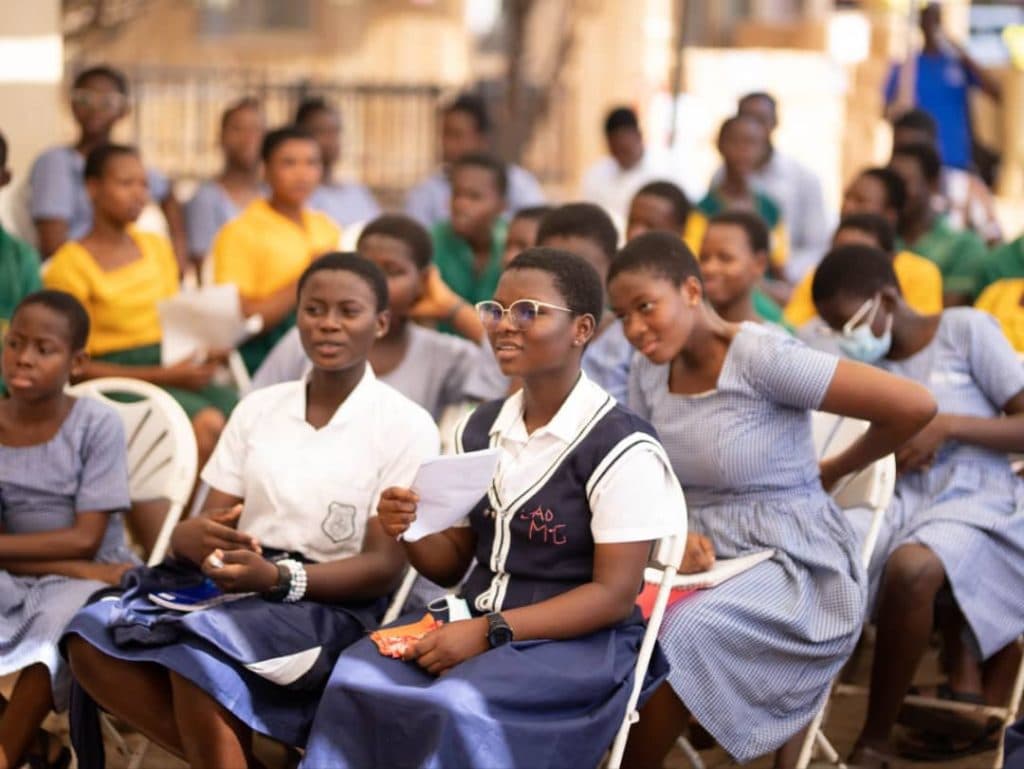
A tear-streaked first-year student at Yaa Asantewaa Girls’ Senior High School in Kumasi recently watched in distress as her long, natural hair was shaved off before she could even begin classes. The video went viral. Her mother had brought her to the barber, apparently as part of the school admission requirements, but the emotional distress was clear: in that moment, something more than just hair was being stripped away.
This incident captured the heart of a contentious debate: should Ghana’s SHS students be forced to maintain short, regulated hairstyles? The Education Minister, Hon. Haruna Iddrisu, has made his position clear. “We will not tolerate long hair today or tomorrow,” he declared. He argued that discipline, character formation, and conformity must come before fashion. Yet, as the outcry grows, we must carefully examine whether this policy truly serves students or whether it suppresses identity, culture, and dignity.
For many students, hair is deeply personal: a reflection of cultural identity, self-expression, and even religious belief. Enforcing a blanket rule that prohibits long or natural hair can erase that individuality. Critics argue, not without reason, that such policies echo colonial-era norms: hair-shaving rules were historically imposed in mission schools to enforce conformity, discipline, and Western aesthetics.
Moreover, legal battles have already been waged over this issue. In one case, a high school refused to admit a Rastafarian student unless he cut his dreadlocks, a demand that raised constitutional questions about freedom of religion, human dignity, and the right to education. Such conflicts illustrate how rigid grooming policies can infringe on fundamental rights.
On a practical level, forcing students to cut their hair can be traumatic, as reflected in that viral video. It can create resentment, lower morale, and even erode trust between students, parents, and school authorities. Discipline, one might argue, should be built on mutual respect, not coercion and uniformity.
Supporters of the haircut policy, including the Minister of Education, argue that regulating hair is essential for maintaining discipline and order in a school environment. They warn that relaxing hair rules could lead to further breakdowns in appearance standards—first hair, then shoes, then uniform—and ultimately undermine the school environment.
Proponents also claim that uniform grooming promotes equality: by removing visible differences, schools can minimize distractions based on appearance and help students focus more on education. Teachers’ associations, like GNAT, have even called for legal backing to support this directive, arguing that without clear laws, enforcement is inconsistent and contested.
First, while discipline is an admirable goal, it does not justify suppressing cultural and religious identity. The notion that “school is not a beauty contest” sells short the idea of self-worth: students do not merely compete in fashion shows; they form their identities and learn who they are. A haircut policy that does not accommodate natural textures or religious expressions risks alienating students rather than molding them.
Second, the argument that unregulated hair leads to further laxity (e.g., clothing, shoes) is slippery. Poor discipline may stem from deeper issues such as lack of engagement, inadequate resources, or ineffective leadership, rather than merely hair length. Tightening one rule does not necessarily shore up character; holistic education strategies do.
To respect both discipline and individual rights, Ghana’s education system must evolve. I propose three concrete reforms:
a. Flexible Grooming Policy: Rather than a one-size-fits-all haircut rule, allow for culturally and religiously significant hairstyles such as natural afros, dreadlocks, braids, or tied buns that are clean and well-maintained. Schools can develop a clear “approved styles” list, crafted in consultation with students, parents, and cultural/religious leaders.
b. Legislative Backing and Clarity: Empower GES to codify grooming directives into formal policy with clear legal backing. This would clarify what is required, protect students’ rights, and reduce arbitrary enforcement. As GNAT’s president has argued, legal backing would help standardize rules and avoid disputes.
c. Dialogue, Education, and Sensitization: Launch a national conversation with students, parents, educators, and the Ministry of Education about grooming, discipline, and identity. Educational campaigns should highlight the history of grooming rules, the importance of respect, and the value of self-expression. Workshops could help school administrators and boarding school barbers understand how to enforce grooming policies respectfully and with a rights-focused manner.
Discipline in Ghana’s SHS system is important, but it should not come at the cost of personal identity, dignity, or cultural heritage. Enforcing mandatory haircuts may seem like a simple means to maintain order, but its emotional and social costs run deep. By reforming grooming policy to be more inclusive, legally sound, and dialogic, we can strike a balance: preserving the order that schools need while honoring the individuality that students deserve.
It’s time for Ghana to grow not just hair, but understanding.
Related Stories & Campus Highlights
View All in Opinions →
Opinions
Aug 29, 2026 3 min read
Behind the slogan: how UPSA prepares students for corporate Ghana
The University of Professional Studies, Accra (UPSA) proudly bills itself as the "Face of Professionalism." But is this a genuine reflection of what t...
Opinions
Aug 27, 2026 3 min read
Beyond the suggestion box: is the student voice really being heard?
Students are at the heart of every university, yet one question deserves more attention: How much influence do students really have on decisions that ...
Opinions
Aug 18, 2026 3 min read
Embracing the uncertainty of your 20s
Your 20s are often presented as the time when you should have everything figured out; your career, finances, relationships, purpose, and future. Socia...
Opinions
Aug 12, 2026 3 min read
Raising a child out of wedlock: is it really easy?
Raising a child is a major responsibility, whether the parents are married or not. However, raising a child out of wedlock can come with additional ch...