
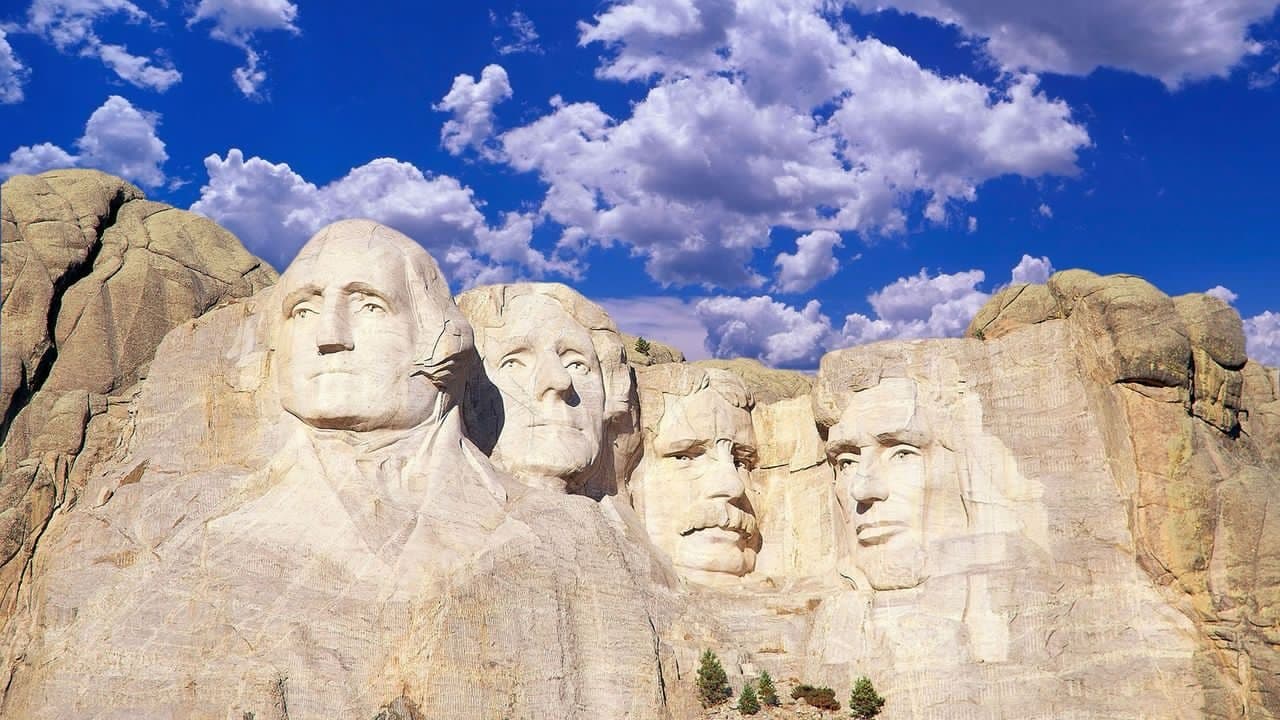
Mount Rushmore, a colossal sculpture carved into the Black Hills, immortalizes four American presidents: George Washington, Thomas Jefferson, Abraham Lincoln, and Theodore Roosevelt. Each figure symbolizes a pivotal chapter in American history: Washington, the nation's birth; Jefferson, its expansion; Lincoln, its unity through crisis; and Roosevelt, its ascent to global power. More than mere art, the monument boldly declares, "These are the architects of this country."
Now, imagine Africa articulating its own narrative with similar grandeur. Not subtly, not quietly, but indelibly carved into stone for eternity.
At its heart would be Kwame Nkrumah. His monumental role is undeniable. In 1957, Ghana achieved independence, becoming the first sub-Saharan African nation to break free from colonial rule. This watershed moment inspired countless others, signaling that freedom was attainable. Nkrumah championed a united Africa, understanding that collective strength was paramount. His visage would unequivocally mark the dawn of a new era.
Next, Nelson Mandela. He endured 27 years of imprisonment yet emerged with an unwavering commitment to peace over vengeance. He guided South Africa through one of its most perilous transitions, preventing division from escalating into catastrophe. Mandela embodies discipline, forgiveness, and the transformative power of rebuilding.
Then, Mansa Musa. His reign over the Mali Empire showcased Africa's enduring strength long before the colonial age. His legendary wealth was matched only by his sagacious use of it, fostering education, trade, and religious scholarship. Under his influence, cities like Timbuktu flourished as intellectual hubs. His presence would serve as a powerful reminder of Africa's historical power and profound influence.
Wangari Maathai earns her rightful place through action. She founded the Green Belt Movement, mobilizing thousands of women to plant trees and safeguard their environment. Her pioneering work inextricably linked environmental stewardship with human rights and democratic principles. She represents growth, sustainability, and people-driven change.
Finally, Haile Selassie. At a time when much of the African continent languished under foreign domination, Ethiopia largely maintained its independence, steadfastly resisting invasion. He spoke with conviction on the global stage, playing a crucial role in forging African unity. His leadership epitomizes resistance and enduring dignity.
These five figures collectively encapsulate foundational elements of Africa's story: independence, visionary leadership, immense wealth and knowledge, transformative grassroots change, and resolute resistance. Africa's mountain would not merely reflect on the past; it would gaze resolutely into the future, a permanent testament to the continent's perennial production of world-shaping leaders, even when the world chooses to overlook them.
SC
Selina cherita
public
Voice of UPSA editorial team member.
Loading discussion...
Related Stories & Campus Highlights
View All in Opinions →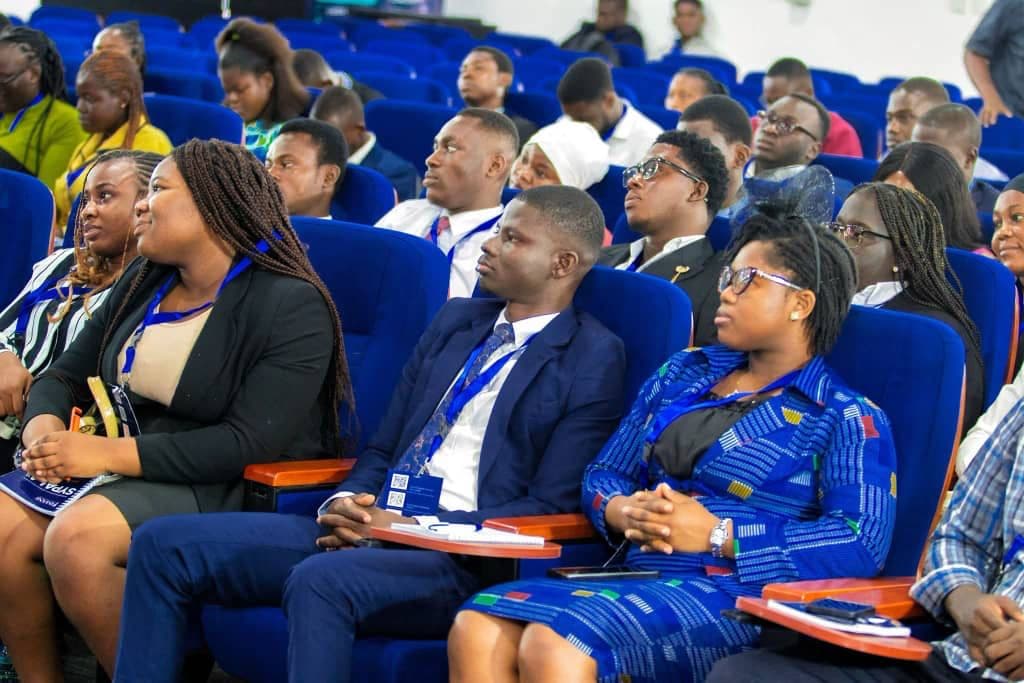
Opinions
Aug 29, 2026 3 min read
Behind the slogan: how UPSA prepares students for corporate Ghana
The University of Professional Studies, Accra (UPSA) proudly bills itself as the "Face of Professionalism." But is this a genuine reflection of what t...
Opinions
Aug 27, 2026 3 min read
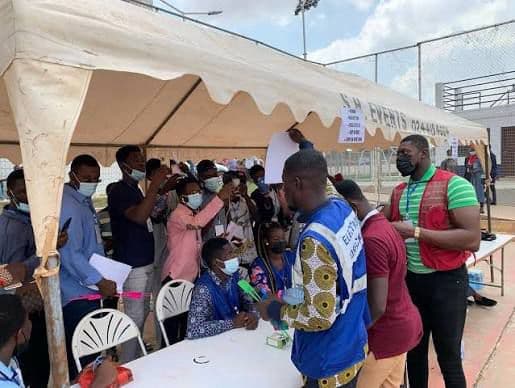
Beyond the suggestion box: is the student voice really being heard?
Students are at the heart of every university, yet one question deserves more attention: How much influence do students really have on decisions that ...
Opinions
Aug 18, 2026 3 min read
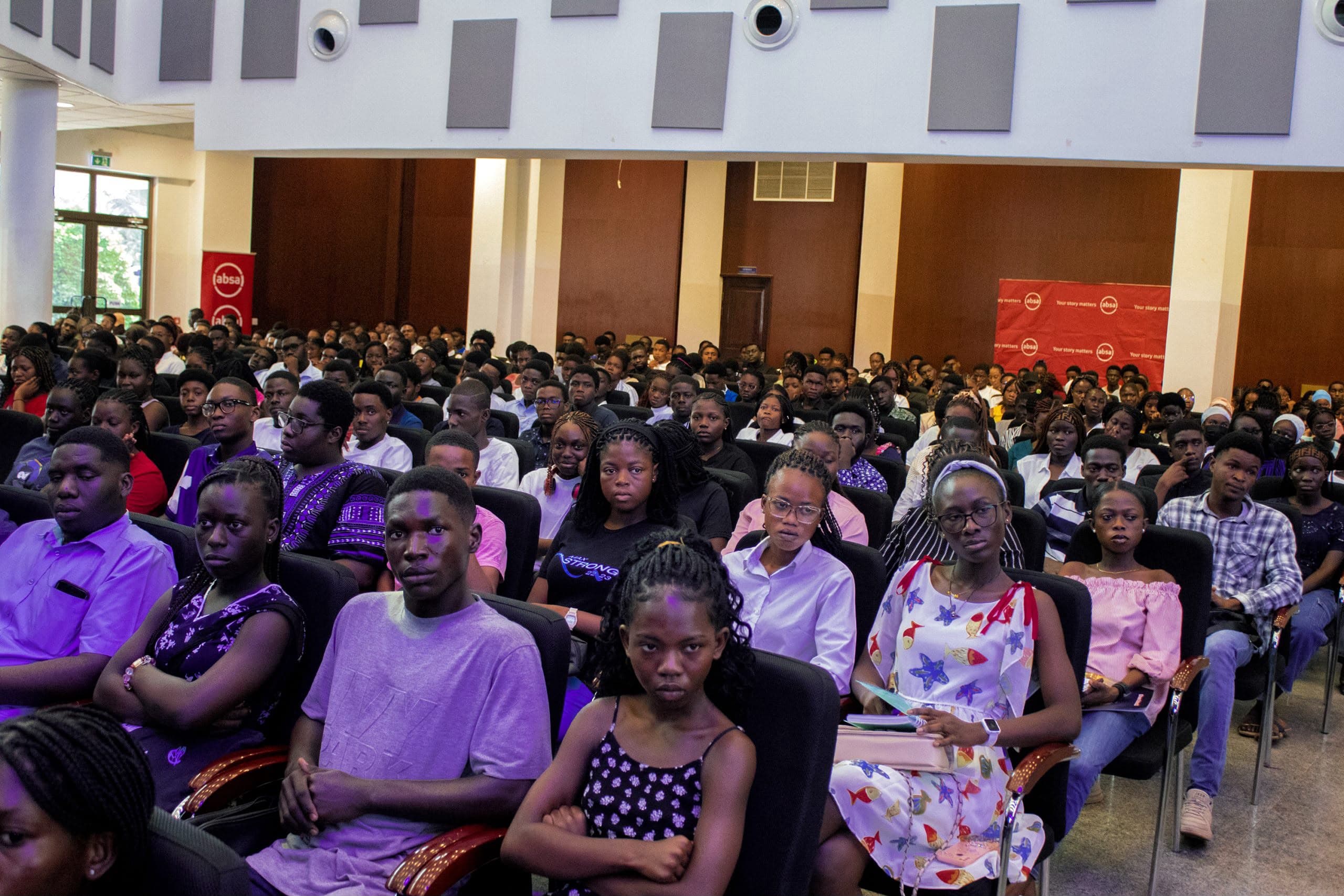
Embracing the uncertainty of your 20s
Your 20s are often presented as the time when you should have everything figured out; your career, finances, relationships, purpose, and future. Socia...
Opinions
Aug 12, 2026 3 min read
Raising a child out of wedlock: is it really easy?
Raising a child is a major responsibility, whether the parents are married or not. However, raising a child out of wedlock can come with additional ch...