
Opinions
The beauty of imperfections: embracing the unfinished edges of life
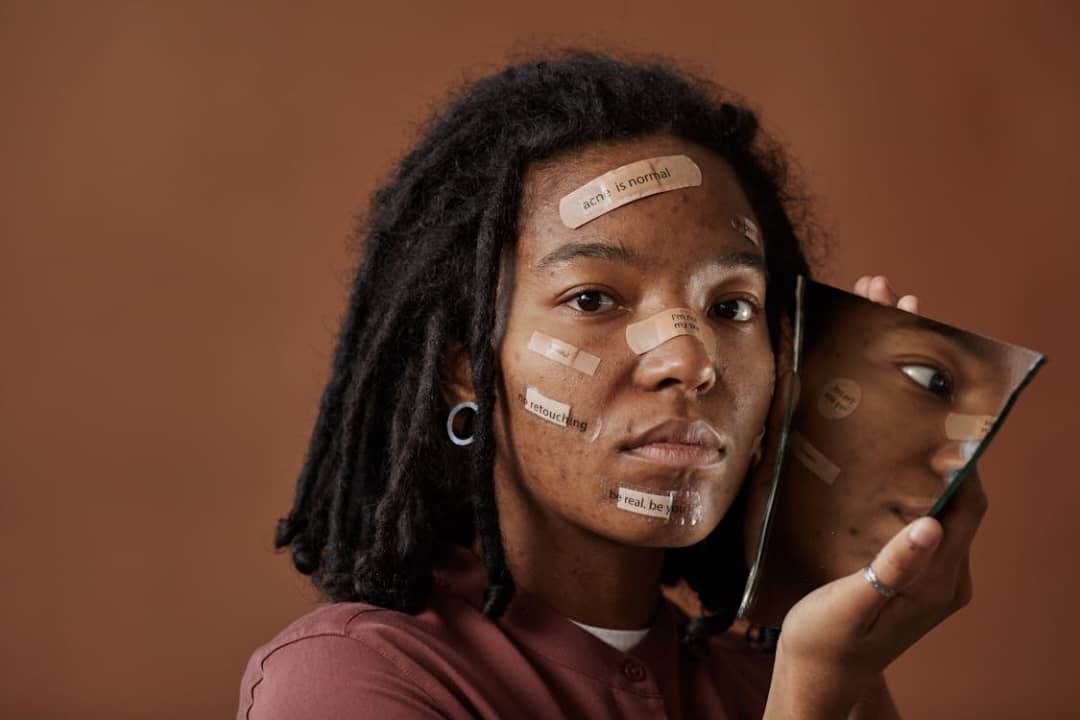
As I sit here, reflecting on the journey that has shaped me, I am reminded of the tiny scar on my cheek: a small, almost imperceptible line that tells a story of resilience and survival. For years, I tried to hide it, convinced that it was a flaw that detracted from my beauty. But one evening, as I stared at it in the mirror, I realized that this scar wasn't just a mark on my skin; it was a testament to a moment of pain that had long healed, leaving behind a reminder of strength. What I once considered an imperfection was, in fact, a badge of honour- a symbol of life's unpredictability and my ability to endure it.
Life itself is full of cracks, dents, and unfinished edges. We strive for perfection: the perfect body, perfect grades, perfect career, perfect relationships. Yet perfection is a myth that keeps us endlessly chasing an unattainable ideal. We compare ourselves to curated images on social media, forgetting that even the most polished facades hide imperfections. In reality, it is the imperfections that make our stories authentic. Just like a potter's clay vessel, it is not the flawless smoothness but the little ridges and uneven lines that reveal the hands that shaped it- the human touch that makes it real.
I have come to see that imperfections are not failures, but fingerprints of humanity. They remind us that we are real, fragile, and still in progress. Every scar, every mistake, every shortcoming adds depth to our narrative. A friend's stutter, once a source of shame for him, became his strength when he used it to connect with others who felt voiceless. A dented old guitar may look worn out, but the music it produces carries depth that only time and imperfection can teach. The notes may not be perfect, but they are authentic, each crack and imperfection contributing to the richness of the sound.
To embrace imperfections is to embrace life itself. It means accepting scars, mistakes, and shortcomings as part of our unique design. They do not diminish our worth; they add to it. When we let go of the pursuit of perfection, we free ourselves from the weight of unrealistic expectations. We begin to see beauty in the imperfect, the unconventional, and the authentic. We learn to appreciate the little cracks and dents that tell our stories, that make us relatable, and that remind us of our shared humanity.
In a world obsessed with flawless appearances, perhaps true beauty lies not in perfection, but in authenticity. Our flaws make us relatable, our scars make us strong, and our imperfections make us whole. When we embrace our imperfections, we open ourselves up to a more compassionate and realistic view of life. We learn to see the beauty in the imperfect, and in doing so, we find a sense of freedom and self-acceptance that perfection can never provide.
Moreover, embracing imperfections can have a profound impact on our relationships and interactions with others. When we are authentic and vulnerable, we create space for deeper connections and understanding. We allow others to see us for who we truly are, imperfections and all, and in doing so, we build stronger, more meaningful relationships. By embracing our own imperfections, we also become more accepting of others' flaws, fostering a culture of empathy and compassion.
In conclusion, the beauty of imperfections lies in their ability to make our stories authentic, to remind us of our humanity, and to connect us with others on a deeper level. By embracing our imperfections, we can find a sense of freedom and self-acceptance that perfection can never provide. So, let us celebrate the cracks, dents, and unfinished edges of life— let us see them as badges of honour, symbols of resilience, and reminders of our shared humanity. For it is in our imperfections that we find our true beauty, our strength, and our authenticity.
Related Stories & Campus Highlights
View All in Opinions →
Opinions
Aug 29, 2026 3 min read
Behind the slogan: how UPSA prepares students for corporate Ghana
The University of Professional Studies, Accra (UPSA) proudly bills itself as the "Face of Professionalism." But is this a genuine reflection of what t...
Opinions
Aug 27, 2026 3 min read
Beyond the suggestion box: is the student voice really being heard?
Students are at the heart of every university, yet one question deserves more attention: How much influence do students really have on decisions that ...
Opinions
Aug 18, 2026 3 min read
Embracing the uncertainty of your 20s
Your 20s are often presented as the time when you should have everything figured out; your career, finances, relationships, purpose, and future. Socia...
Opinions
Aug 12, 2026 3 min read
Raising a child out of wedlock: is it really easy?
Raising a child is a major responsibility, whether the parents are married or not. However, raising a child out of wedlock can come with additional ch...