The places we take for granted
Sometimes, we do not realise how privileged we are because the things we have access to have always felt ordinary.
I met Doreen during Christmas at my grandmother’s house in the village. I had gone there expecting the usual Christmas experience - family, food, conversations, and the quietness that comes with being away from the city.
But one conversation with her stayed with me long after Christmas was over. Doreen is a young girl who attends school. She is learning, just like many other children her age. But outside the classroom, her exposure to the world is very different from mine.
The most educated people she regularly encounters are her teachers and the nurses at the small hospital in the village.
She has heard of Accra, of course. She has even sung about it in school; the familiar lesson that Accra is the capital of Ghana. But knowing that Accra is the capital and actually knowing what Accra looks like are two different things. She has never been there.
Her idea of the city comes from little pictures in old magazines, occasional graphics and whatever glimpse of television she can catch from a nearby drinking spot. She may see a moving image of a city on the television, but it is not the same as experiencing the city for herself. She has never been to Wa either. That surprised me.
Wa is the capital of the Upper West Region. I live there. I have grown accustomed to its roads, shops, schools, restaurants, traffic and everyday life. It is simply home.
But to Doreen, Wa is somewhere she dreams of visiting. That was the moment I began to think differently about privilege.
I have dreams of visiting Dubai, Zanzibar, Paris and the Maldives. I see beautiful places on TikTok and imagine myself travelling to them someday. I complain about the places I have not yet visited and dream about the experiences I have not yet had. Doreen's dream was much closer. She wanted to see Wa.
I remember being confused by that at first. How could a place that felt so ordinary to me be someone's dream?But perhaps that was the lesson. The things we consider ordinary are often extraordinary to someone else.
Doreen does not have a phone. She does not wake up and scroll through social media to see what is happening in Accra, Lagos, Dubai or Paris. She does not know the influencers I know. She does not follow the latest fashion or beauty trends. She does not know the news anchors whose work I admire, such as Nana Aba Anamoah or Berla Mundi. Her world is largely the world immediately around her.
Her days are connected to school, the farm and the responsibilities of village life. She helps with brewing pito, picks shea nuts and participates in the process of turning them into shea butter. She knows things I may never fully understand.
And I know things she has never had the opportunity to encounter. Our conversation made me realise that exposure is itself a form of privilege.
I had always thought of privilege in terms of money, expensive possessions or opportunities. But that day, I began to understand that privilege can also be having access to information, places, people and possibilities.
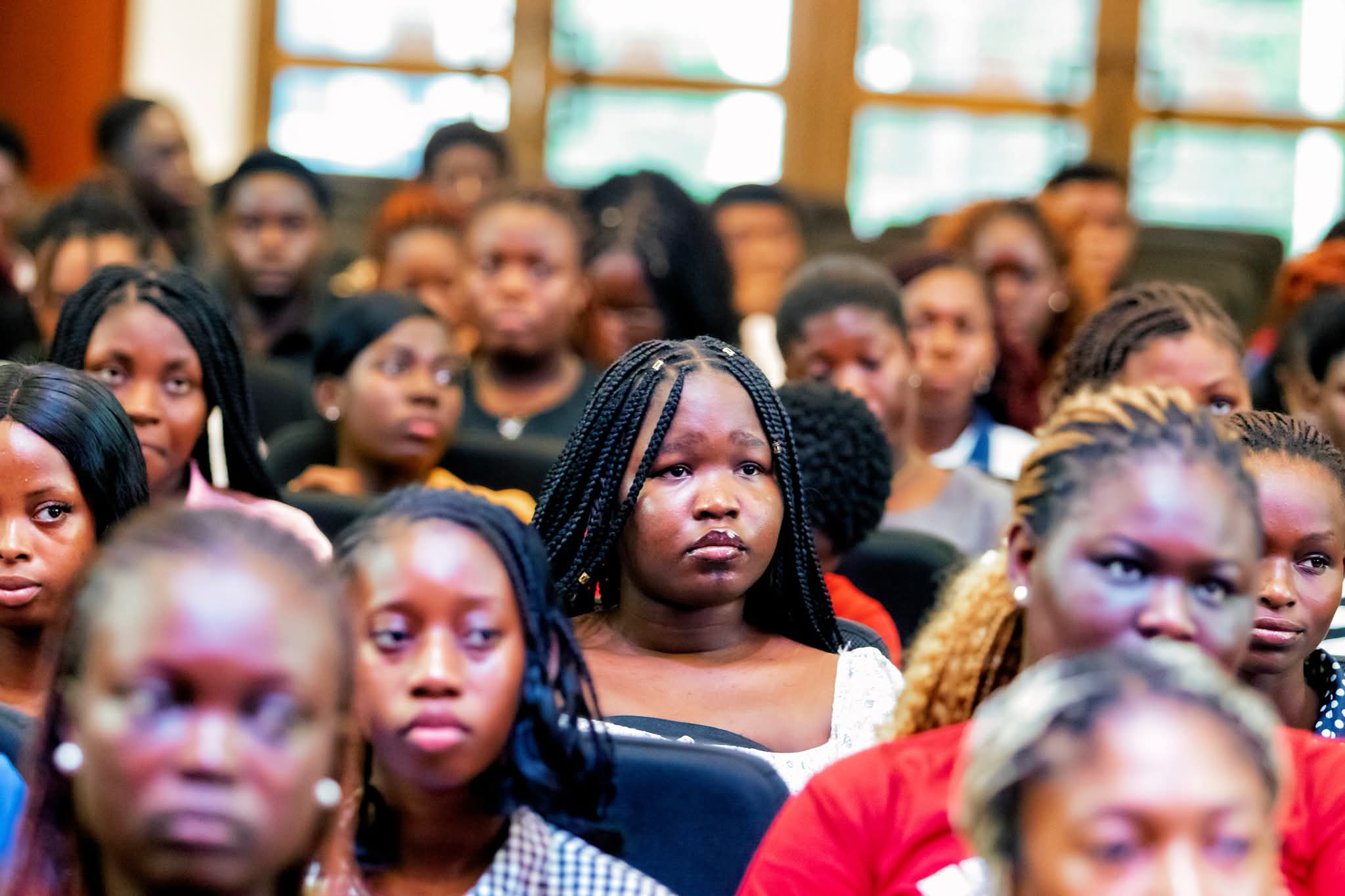
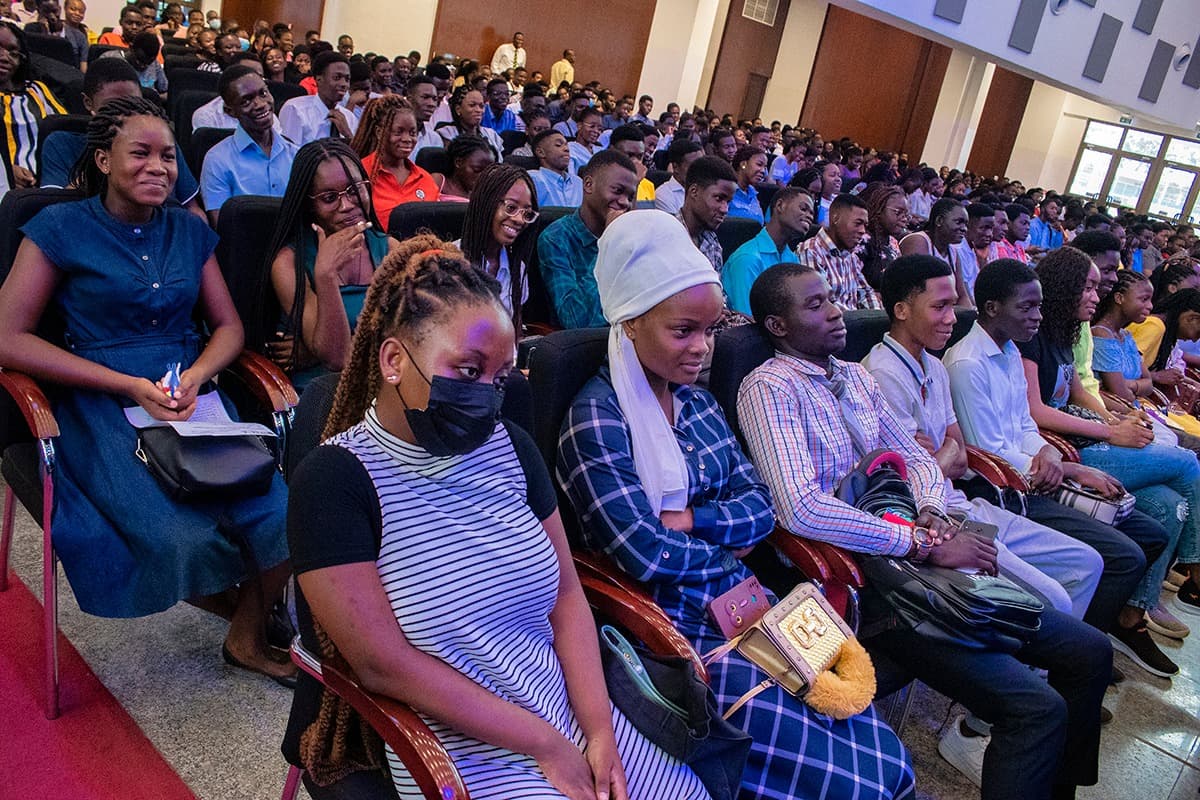
I have grown up knowing that universities exist. I know what a lecture hall looks like because I sit in one. I know what a news anchor is because I watch them and dream of becoming one myself. I know there are master's degrees because I am already thinking about pursuing one someday. Doreen has not had the same exposure.
She has never had to think about whether she wants to study for a master's degree because university itself is still outside the world she knows. And yet, she is not unintelligent. That distinction is important.
Sometimes we look at people who have had fewer opportunities and mistake limited exposure for limited ability.
But how can someone dream about becoming something they have never seen?How can a child imagine herself studying at a university she has never heard anyone around her attend?
How can she aspire to a career she has never encountered? How can she desire to travel to a place she has only seen as a name in a textbook? This is what I kept thinking about when I returned to school.
Sometimes, while sitting in a lecture hall, my mind drifts back to the village. I think about Doreen sitting in her classroom. I think about the distance between her classroom and mine. I think about the difference between hearing that Accra is the capital of Ghana and actually seeing Accra. I think about the difference between learning about universities and walking into one.
And I wonder how long it will take before opportunities like these reach her. More importantly, I wonder how many other young people are like her.
How many children across rural Ghana know the names of cities but have never seen them? How many know that universities exist but have never met someone who attends one? How many talented young people are growing up surrounded by limitations that have nothing to do with their intelligence There are many more Doreens.
That thought is what saddened me the most. Meeting her also made me look at my own life differently. I realised that I had been so focused on the places I wanted to go that I had forgotten to appreciate the places I could already access.
I had been dreaming about Dubai while someone else was dreaming about Wa. I had been thinking about my next academic achievement while someone else was simply trying to navigate the opportunities available to her. I had been exposed to a world that she had only encountered through small windows - school lessons, radio broadcasts, old magazines and occasional television images.
Neither of us is wrong for having different dreams. Our dreams have simply been shaped by different levels of exposure.
And perhaps this is why education must be about more than passing examinations. Education should open windows.
It should allow a child in a remote village to discover that the world is bigger than the boundaries around her.
It should introduce her to careers she has never heard of, places she has never seen, people she has never met and possibilities she has never imagined.
Sometimes, the greatest limitation is not a lack of ambition. It is a lack of exposure.
Doreen taught me something I did not know I needed to learn: privilege can be so ordinary that we stop recognising it as privilege. Wa is ordinary to me.
A university lecture hall is ordinary to me. A smartphone is ordinary to me.
Watching television, following journalists, scrolling through social media and learning about countries beyond Ghana are ordinary parts of my life. But they are not ordinary everywhere.
Somewhere, there is a child who knows the name “Accra” but has never seen the city. Somewhere, there is a student who dreams of visiting a place I barely think about. Somewhere, there is a young person with enormous potential whose world has simply not opened up yet.
I met one of them during Christmas. And since then, I have found myself looking differently at the places I once took for granted.
Perhaps the real question is not only how far we have travelled, but also how many people are still waiting for their first opportunity to see beyond where they are.
Because for some people, the world is not yet a plane ticket away.
It is still a classroom lesson, a picture in an old magazine, a voice on the radio, or a distant image flickering on a television screen. And for Doreen, perhaps one day, it will be Wa.
Kanneo Peccy Sunviela
Guest Contributor
Guest contributor to Voice of UPSA.
Loading discussion...
Related Stories & Campus Highlights
View All in Features →
Beyond the lecture hall: why many students are chasing online income
For many university students today, attending lectures and completing assignments are no longer their only priorities.

From piles of notes to smarter revision: how AI is changing the way university students study
For many university students, preparing for exams can feel like trying to drink from a fire hose. At the beginning of the semester, there always seems to be enough time.
Beyond September: why sickle cell awareness should not be seasonal
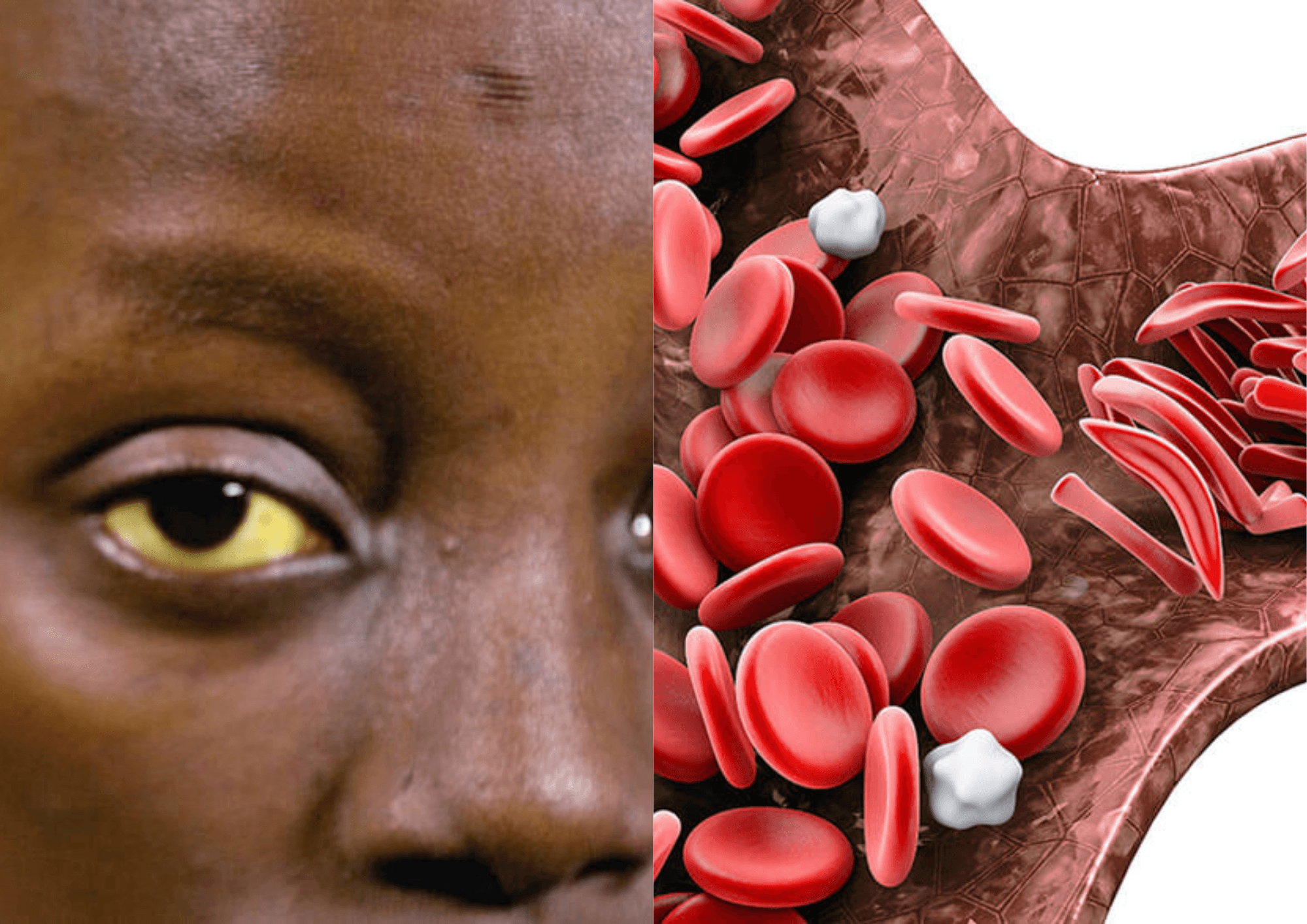
Imagine having plans, lectures to attend, assignments to submit, a job interview, a party with friends, or anything else but your body decides on its own that it's time to cancel all of that.
The freedom trap: what every level 100 should know before it's too late
To every Level 100 just finding their feet - welcome to UPSA. I know how it feels to be where you are now. You arrive on campus with excitement, expectations, and probably a little fear.