
Opinions
The reality of group assignments: why students hate them
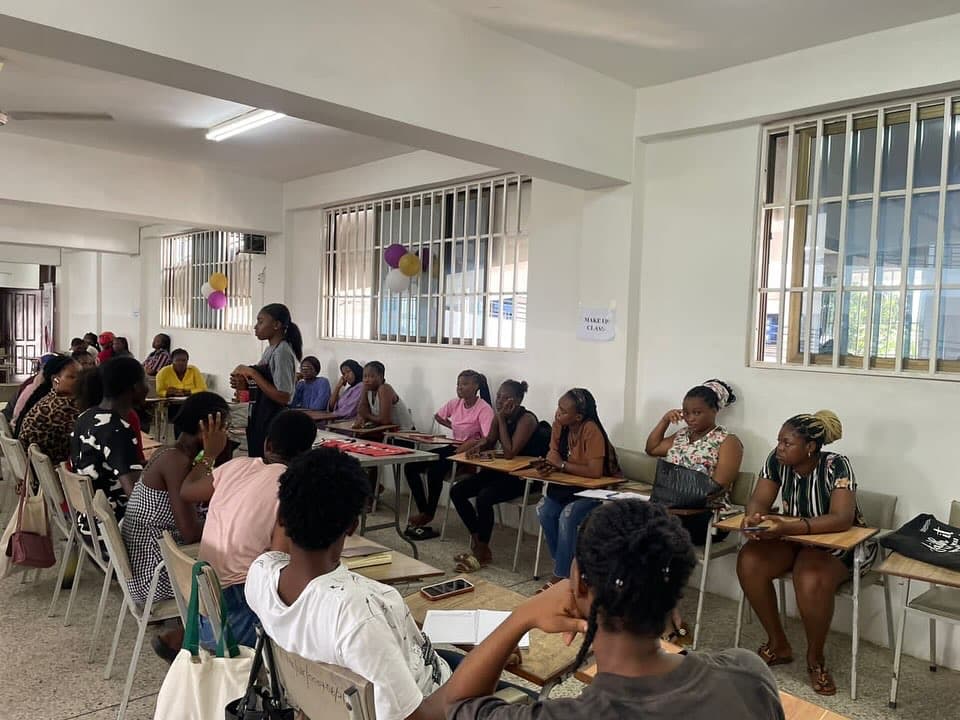
Group assignments are intended to nurture teamwork, but they often lead to student anxiety instead. The moment a lecturer announces group work, students immediately worry about team members who contribute nothing but expect credit.
This collective university experience is filled with tension, frustration, and drama. From constantly silent WhatsApp groups to barely attended meetings, the reality of group projects rarely aligns with their good intentions, often building frustration rather than collaboration skills.
Lecturers say group assignments teach teamwork, collaboration, and shared responsibility, preparing students for the “real world.” Yet in reality, things are rarely that smooth. Students often face problems such as miscommunication, scheduling conflicts, and personality clashes. Work isn’t evenly shared, deadlines are missed, and group chats turn into a mess of unread messages and last-minute panic. Surviving a group project often requires strategy, patience, and a sense of humour.
Every group assignment comes with its own personality line-up, and somehow, no matter the class, these same personalities always appear.
The Ghost Member disappears when the work is assigned, only to reappear smiling for the final presentation, offering zero contribution but expecting full credit. They never respond, or even show up for meetings.
The Overachiever single-handedly manages every aspect; slides, report, rehearsal, building quiet resentment while ensuring the project’s success because they can’t trust anyone to do it right.
The Last-Minute Warrior is a deadline junkie who begins work a few minutes before submission, operating best under extreme pressure and putting the group’s grade on the line.
The Excuse Machine always has a ready-made excuse, usually before the work even starts.
“My phone spoiled.”
“I had a family emergency.”
“I was asleep.”
“I was knocked out of my hostel.”
“I am depressed.”
The Idea Person is the “visionary” who proposes grand creative ideas but expects execution to be done by someone else.
The Social Media Supervisor is inactive in the group chat but highly active on all social platforms, constantly missing important messages while consistently posting new stories every day.
Group assignments come with their own standard flaws. Here are some of the most common problems students face in group work:
Emotional Stress and Frustration
Group work tests patience and friendships, adding significant stress to students already managing academic pressure.
Uneven Workload (Free-Riding)
A few members often end up handling the bulk of the project, while others contribute minimally or just carry the group name.
Poor Communication and Absenteeism
Messages are often ignored, even when members are active online. Scheduled meetings frequently suffer from low attendance, leaving the committed few to proceed alone.
Members Who Vanish
Members enthusiastically volunteer for tasks during initial planning but subsequently disappear before implementation, shirking their responsibilities.
Last-Minute Crunch
For many groups, the actual work is a tradition that only begins late the night before the submission deadline.
Post-Grading Blame Games
Once grades are released, selective memory kicks in. Members suddenly exaggerate their contributions, deny responsibility for failed suggestions, and deflect blame.
While group assignments are often normalized and joked about, their effects on students are far from trivial. The real impacts often manifest as:
Unfair Grading
Identical marks for unequal effort devalue hard work, leaving diligent students frustrated and highly discouraged.
Chronic Stress and Anxiety
Students experience ongoing anxiety about peer accountability, project progress, and timely submission.
Strained Relationships
Misaligned expectations and effort levels test friendships, often turning classmates into silent rivals.
Feelings of Exploitation
Students often feel their skills are exploited without their voices or concerns being valued during the decision-making process.
Forced Overcompensation
Many students take on excessive work, driven not by passion, but by the fear of failure caused by peer inaction.
Long-Term Loss of Motivation
Repeated negative experiences with unfair workloads can lead to apathy, reducing creativity and enthusiasm for future collaborative tasks.
Group assignments may never be perfect, but they don’t have to be a complete disaster. Implementing these realistic changes could save students a lot of stress:
Clear Task Division with Deadlines
The instructor should help guide students in choosing specific roles and setting clear deadlines. This ensures accountability and defines individual responsibility.
Normalize Early Conflict Resolution
Groups should be empowered to address inactivity early on, rather than silently absorbing the workload until the deadline.
Mandatory, Individual Contribution Logs
Requiring a summary of each member’s specific contributions keeps everyone honest and provides transparency for grading.
Optimal Group Sizes
Smaller groups are significantly easier to manage; individual accountability tends to dissolve in larger groups.
Hybrid Grading (Group + Individual)
Combining the collective grade with an individual effort score ensures fairness and actively discourages free-riding.
Confidential Peer Evaluation
Implementing confidential peer reviews gives a voice to hardworking members and provides valuable data for fair grading adjustments.
Group assignments have a low probability of disappearing from university life anytime soon. While they are designed to build teamwork and collaboration skills, they often come hand-in-hand with stress, misunderstandings, and significant challenges. Yet, within the frustration lies shared laughter, memorable experiences, and lessons that extend beyond the classroom. Whether it’s managing personalities, meeting deadlines, or learning patience the hard way, group assignments test not just academic ability, but essential life skills: resilience, communication, and survival skills every student eventually masters.
Related Stories & Campus Highlights
View All in Opinions →
Opinions
Aug 29, 2026 3 min read
Behind the slogan: how UPSA prepares students for corporate Ghana
The University of Professional Studies, Accra (UPSA) proudly bills itself as the "Face of Professionalism." But is this a genuine reflection of what t...

Opinions
Aug 27, 2026 3 min read
Beyond the suggestion box: is the student voice really being heard?
Students are at the heart of every university, yet one question deserves more attention: How much influence do students really have on decisions that ...
Opinions
Aug 18, 2026 3 min read
Embracing the uncertainty of your 20s
Your 20s are often presented as the time when you should have everything figured out; your career, finances, relationships, purpose, and future. Socia...

Opinions
Aug 12, 2026 3 min read
Raising a child out of wedlock: is it really easy?
Raising a child is a major responsibility, whether the parents are married or not. However, raising a child out of wedlock can come with additional ch...