News
Galamsey in Ghana: threatening youth employment, health and education
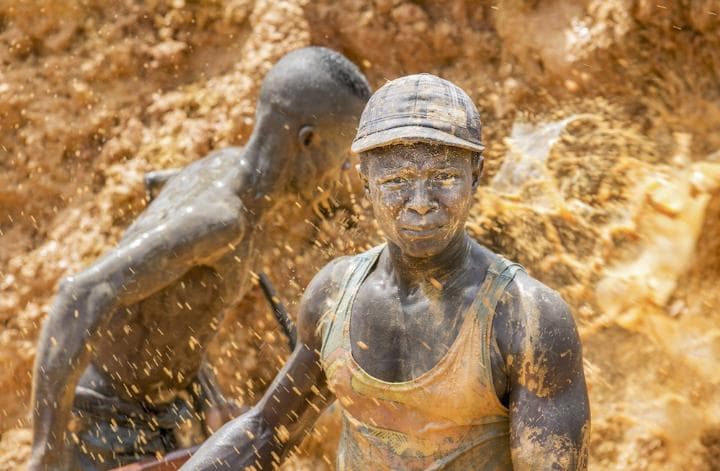
Galamsey, or illegal small-scale gold mining, has become a major problem in Ghana. Beyond environmental damage, it is impacting the country's youth by reducing employment opportunities, endangering their health and disrupting education. Despite the fact that land is fixed in supply and subject to diminishing returns, galamsey destroys or occupies large portions of land, solely for gold mining. Every acre of land lost to galamsey is a permanent loss of other productive activities.
Galamsey is often a consequence of youth unemployment, which drives young people into galamsey and can indirectly worsen long-term employment prospects by limiting skills and destroying resources. Speaking on the Joy News AM Show, Mr. Michael Kwadwo Peprah, the President of the Concerned Small-Scale Miners Association, explained that many young people, faced with a lack of employment opportunities, have turned to galamsey as a means of survival. "People cannot sleep," he said, emphasizing that when people are unemployed, they cannot simply sit and starve. "You expect them to die of hunger? That’s the root cause of the galamsey problem we face today."
A new landmark study by UNICEF Ghana and the Ghana TVET Service has exposed "critical gaps" between the skills taught in Technical and Vocational Education and Training (TVET) institutions in Ghana and the competencies required by the country's labour market. "With youth unemployment at 21.7% and over 380,000 new job seekers entering the market each year, evidence like this is indispensable for reforming curricula, targeting investments, and expanding opportunities," Mr. Abdul Mahama Fatah, Deputy Director-General of the Ghana TVET Service, noted.
Youth working in galamsey sites risk chemical exposure and accidents, threatening both their immediate health and long-term wellbeing. The use of chemicals like mercury for gold extraction has polluted significant rivers, including the Pra, Ankobra, Oti, Offin, and Birim, crucial water sources for communities. For instance, in August, Ghana Water Ltd. threatened to stop supplying treated water to residents in Cape Coast and surrounding areas due to the high level of contamination in the Pra River.
Also, involvement of youth in galamsey has led to loss of lives. Samuel Coffie from Aowin, a participant in a program organized by the Springboard Road Show Foundation, shared his traumatic experience of working at a galamsey site, where a pit collapsed, killing two of his friends: "I was working at the site when it happened. The pit collapsed and buried my friends alive. That’s when I knew I had to leave galamsey. I don’t want to risk my life anymore."
A news report from Joy Online on March 5, 2025, shared how Francisca Archer's younger brother, after joining galamsey, fell into drug use: "My younger brother started smoking after working with the galamsey boys. It’s not just about the land; galamsey is destroying our people. I want a better life for my children, away from this."
Students in mining communities often skip school to work in galamsey, thereby reducing their future employment prospects. The National President of the Conference of Heads of Assisted Secondary Schools (CHASS), Reverend Father Stephen Owusu Sekyere, has stated that illegal mining, also known as galamsey, is not only degrading the environment but also eroding the moral fabric of young people, leading to widespread truancy and defiance among students.
Students who live near galamsey sites attend school irregularly. The fatigue of working can reduce concentration and performance. Mining activities tend to disrupt school operations by destroying infrastructure such as roads, classrooms, and other facilities. Youths near galamsey sites are exposed to hazardous environments, chemicals, accidents, and unsafe conditions, which can keep them away from school or pursuing their education.
Government initiatives, such as stricter enforcement of mining laws, creating employment for the youth, improving schools, and providing incentives like scholarships, school supplies, or feeding programs, can help. Raising awareness by teaching youth and parents about the dangers of galamsey and the importance of education is also crucial.
Galamsey may provide quick money, but its effects on employment, health, and education show it is not sustainable. Protecting Ghana's youth requires stronger laws, alternative livelihoods, and education opportunities.
By:Seraphine Fafali
Related Stories & Campus Highlights
View All in News →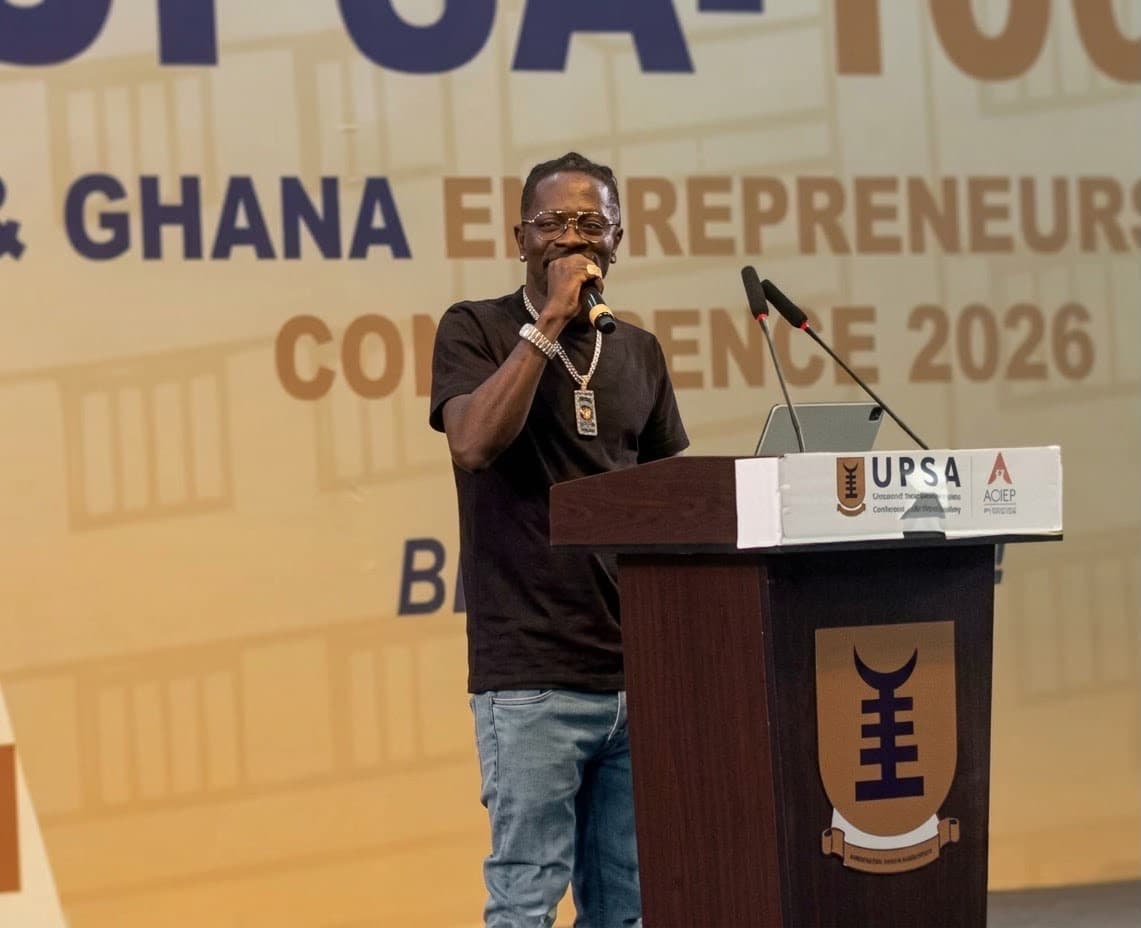
News
Sep 16, 2026 3 min read
Shatta Wale urges UPSA students to ‘build your mind’ at UPSA-1000 & Ghana entrepreneurship conference 2026.
Ghanaian musician and entrepreneur Charles Nii Armah Mensah Jr., popularly known as Shatta Wale, has urged students of the University of Professional ...
News
Sep 12, 2026 3 min read
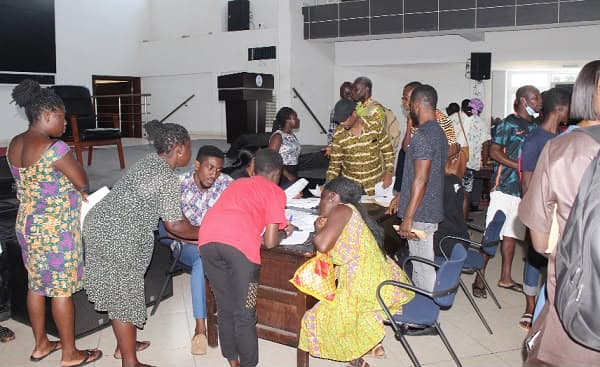
SHS placement crisis: parents spend hours in queues as frustration grows
The 2026 Senior High School placement exercise has become a major concern for parents and students across Ghana, with some parents reportedly spending...
News
Aug 13, 2026 3 min read
HIV in 2026: What Young People Know, What They Believe, and What They Get Wrong
For many young people, HIV/AIDS feels like a problem belonging to another generation. The red ribbons, awareness campaigns and conversations about HIV...
News
Jul 8, 2026 3 min read
J.K. Horgle pays courtesy call on UPSA Vice-Chancellor, expresses gratitude for naming of Transport and Logistics Centre
Renowned transport and logistics entrepreneur Joseph Kwaku Horgle has paid a courtesy call on the Vice-Chancellor of University of Professional Studie...