
News
Teaching Chinese in Ghanaian schools: visionary move or risky experiment?
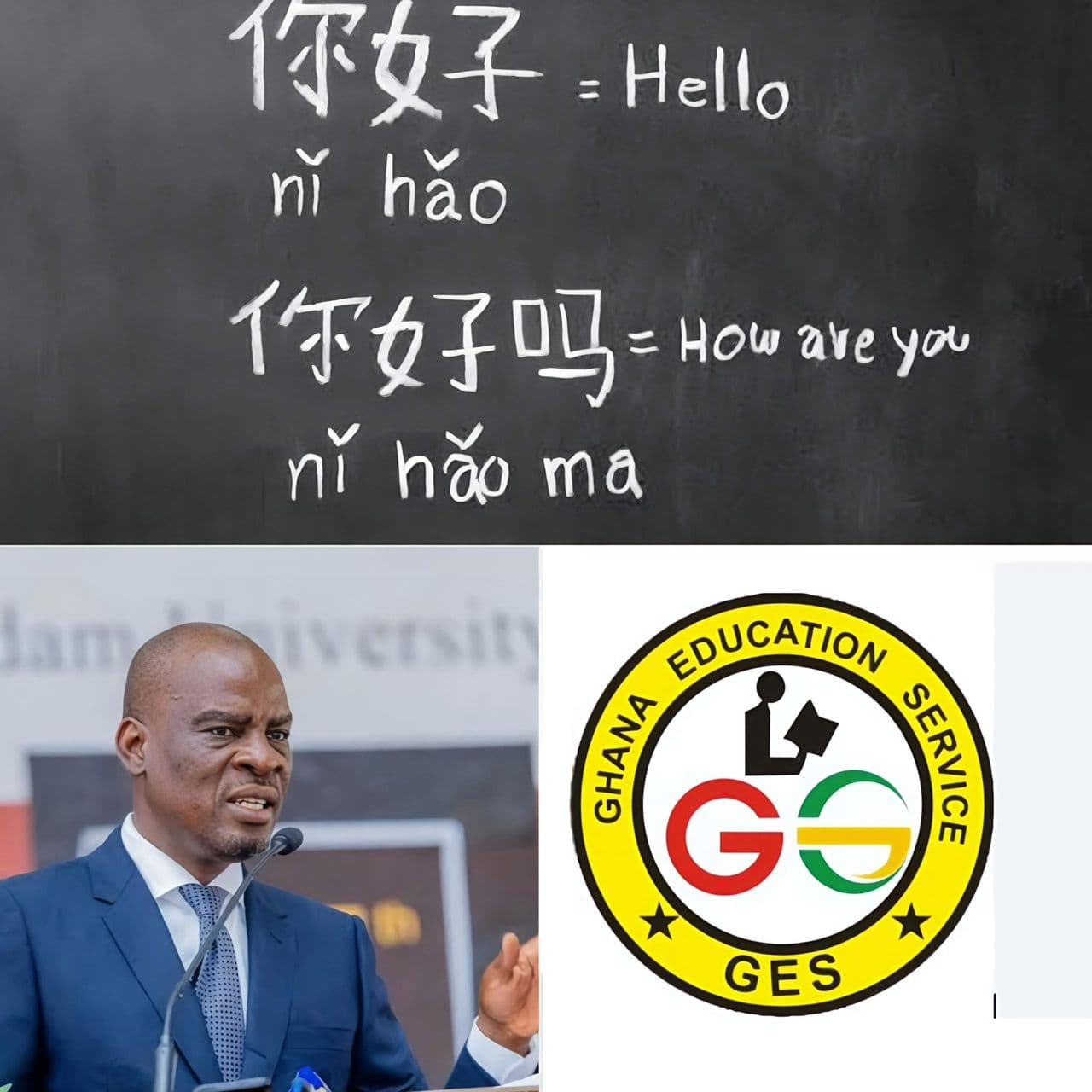
Ghana’s decision to officially introduce a Chinese Language curriculum across Basic, Junior High, and Senior High Schools marks a significant shift in the country’s educational and diplomatic landscape. Beginning with the 2026 academic calendar on January 5, Mandarin will no longer be a foreign option reserved for a few institutions, but a structured part of national learning — with Chinese instructors reportedly assigned to school Staff Common Rooms to initiate the process.
On the surface, this move reflects pragmatism. China is one of Ghana’s largest trading partners, a major source of infrastructure financing, and a growing influence in global geopolitics. Equipping Ghanaian students with Mandarin skills could open doors to scholarships, business opportunities, diplomacy, technology transfer, and employment in multinational spaces where China plays a dominant role. In a globalised economy, language is power, and refusing to prepare students for emerging centres of influence would be shortsighted.
There is also an educational argument. Learning Mandarin develops cognitive flexibility and exposes students to a radically different linguistic structure, enhancing critical thinking. For a generation that must compete globally, multilingualism is no longer a luxury but a necessity. If implemented well, this policy could position Ghanaian students ahead of many of their peers across the continent.
However, this development also raises legitimate concerns. Ghana’s education system is already stretched, grappling with overcrowded classrooms, inadequate teaching materials, teacher shortages, and uneven learning outcomes in core subjects such as Mathematics, Science, and English. Introducing a new foreign language at scale demands careful planning, resources, and clear educational priorities. Without these, Mandarin risks becoming another poorly implemented subject — symbolic rather than substantive.
Cultural balance is another issue that cannot be ignored. Ghana has struggled for decades to meaningfully integrate its own indigenous languages into formal education beyond the early years. For many, the enthusiasm with which Mandarin is being adopted contrasts sharply with the neglect of local languages that carry Ghana’s history, identity, and worldview. The question is not whether Ghana should teach Mandarin, but whether it can do so without sidelining its own linguistic heritage.
There are also questions of sovereignty and structure. The idea that every school Staff Common Room will host a Chinese national, even in an instructional capacity, invites debate about oversight, curriculum control, and long-term dependency. Language exchange should be a partnership, not a one-sided transfer of influence. Ghana must ensure that its educators are trained alongside foreign instructors, with a clear pathway toward local ownership of the programme.
Ultimately, the introduction of Mandarin into Ghana’s schools is neither inherently good nor bad. Its success will depend on transparency, balance, and intentionality. If approached strategically — with strong safeguards, local capacity building, and respect for Ghana’s cultural priorities — it could become a powerful tool for opportunity and global engagement. If rushed or politicised, it risks deepening educational inequalities and cultural imbalance.
Ghana’s challenge, as always, is not ambition, but execution. The Mandarin curriculum should empower Ghanaian students — not overwhelm an already fragile system, and not replace the value of what Ghana already is.
Related Stories & Campus Highlights
View All in News →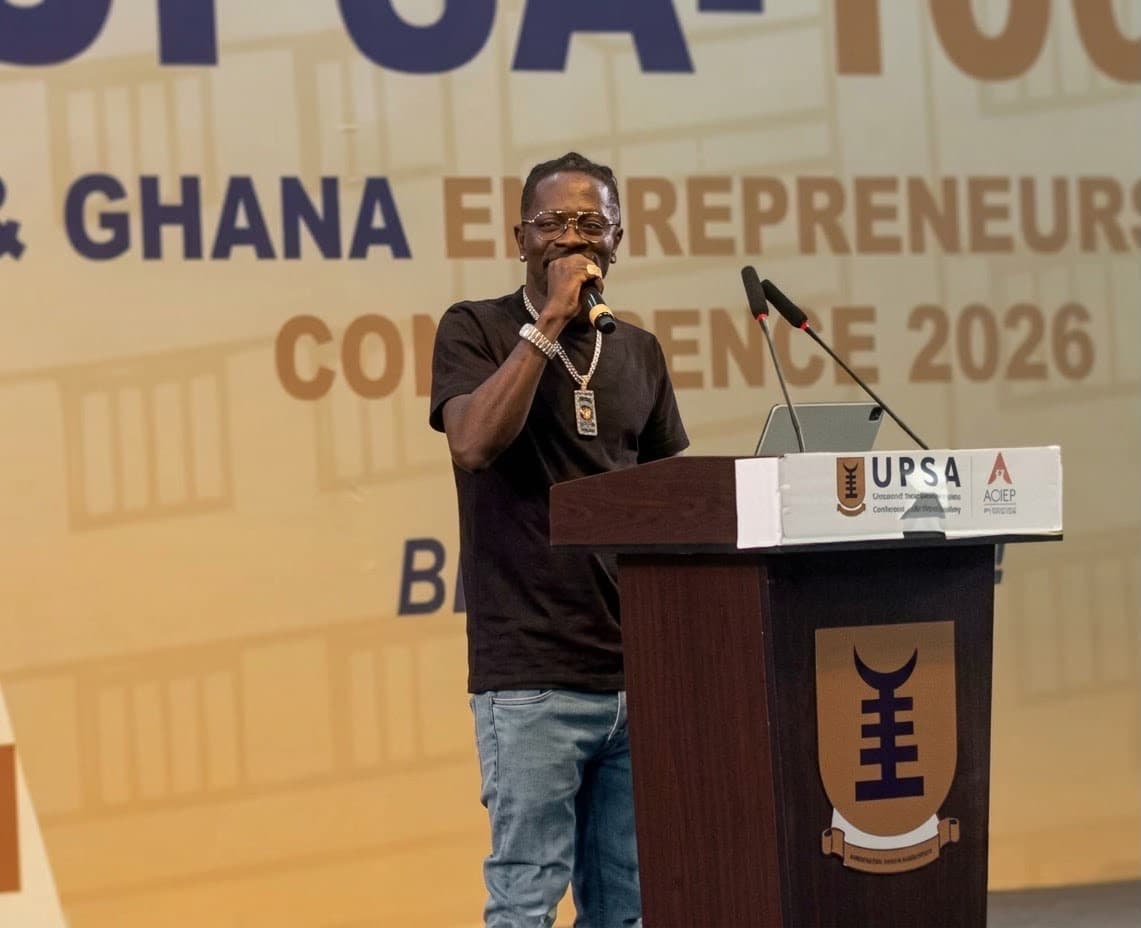
News
Sep 16, 2026 3 min read
Shatta Wale urges UPSA students to ‘build your mind’ at UPSA-1000 & Ghana entrepreneurship conference 2026.
Ghanaian musician and entrepreneur Charles Nii Armah Mensah Jr., popularly known as Shatta Wale, has urged students of the University of Professional ...
News
Sep 12, 2026 3 min read
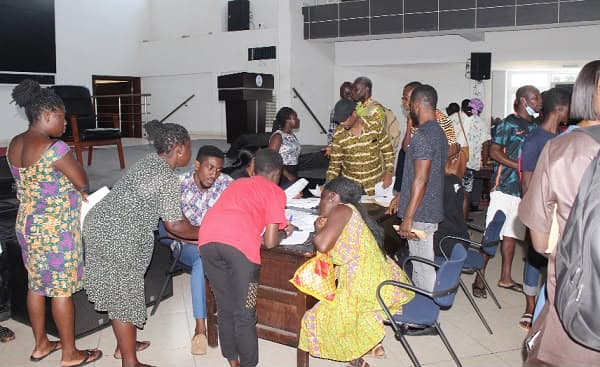
SHS placement crisis: parents spend hours in queues as frustration grows
The 2026 Senior High School placement exercise has become a major concern for parents and students across Ghana, with some parents reportedly spending...

News
Aug 13, 2026 3 min read
HIV in 2026: What Young People Know, What They Believe, and What They Get Wrong
For many young people, HIV/AIDS feels like a problem belonging to another generation. The red ribbons, awareness campaigns and conversations about HIV...

News
Jul 8, 2026 3 min read
J.K. Horgle pays courtesy call on UPSA Vice-Chancellor, expresses gratitude for naming of Transport and Logistics Centre
Renowned transport and logistics entrepreneur Joseph Kwaku Horgle has paid a courtesy call on the Vice-Chancellor of University of Professional Studie...