
News
The human factor: why people remain cybersecurity's weakest link

In today’s digital era, organizations invest heavily in advanced firewalls, encryption tools, and artificial intelligence systems to protect themselves from cyber threats. Yet, despite these technological advancements, one vulnerability continues to undermine even the strongest security systems — the human factor. From careless clicks on phishing links to weak passwords and oversharing personal information online, human error remains the leading cause of cybersecurity breaches across the world, and Ghana is no exception.
Over the past few years, several incidents have highlighted the human element in Ghana’s cybersecurity landscape. The Cyber Security Authority (CSA) has
frequently warned the public about phishing scams, SIM swap fraud, and fake investment schemes targeting unsuspecting individuals. In 2023, for instance, many
Ghanaians lost significant sums of money to fraudsters who impersonated network service providers and convinced victims to share their PINs or approve fake
transactions. These cases show that many attacks do not rely on advanced hacking tools, but rather on exploiting human emotions such as fear and trust.
Cybercriminals understand that it is often easier to trick a person than to hack a system. A well-crafted email or message that appears to come from a trusted institution, such as a bank, an e-commerce platform, or even the Ghana Revenue Authority, can deceive employees and customers alike. In one reported case, scammers sent fake “GRA refund” emails to trick citizens into revealing their banking details. These tactics rely on social
engineering, manipulating human
behavior to gain unauthorized access or information.
Another challenge lies in
Overconfidence and complacency. Many Ghanaians assume they are
too smart to fall for scams or believe that only large companies are targets. This false sense of
security has led to risky online behavior such as using simple passwords like “123456,” clicking
on suspicious links, or downloading pirated software filled with malware. In several public institutions, cybersecurity is still seen as the IT department’s responsibility rather than everyone’s concern, which creates opportunities for attackers to exploit internal weaknesses.
Reports by the Bank of Ghana and the Ghana Interbank Payment and Settlement Systems (GhIPSS) have also shown an increase in cyber fraud within the financial sector, often linked to employee negligence or lack of awareness. A single careless action, such as opening a malicious email attachment, can expose an entire financial institution to risk. These examples demonstrate how one individual’s mistake can have nationwide consequences.
To address these issues, cybersecurity education and awareness must become a national priority.The Cyber Security Authority’s National Cybersecurity Awareness Month, celebrated every
October, is a positive step toward encouraging safe digital habits among citizens, schools, and
businesses. However, such efforts must continue throughout the year through community outreach, workplace training, and inclusion of cybersecurity topics in school curricula.
Organizations can also build a culture of security by empowering staff to speak up when they
detect suspicious activity. Simple measures such as using two-factor authentication, creating strong passwords, and updating software regularly can prevent many attacks. When people are informed and alert, they become defenders rather than victims.
Cybersecurity ultimately begins with people. While systems can be updated and software patched, human awareness must be constantly strengthened. Every individual, from CEOs to students and everyday internet users, has a role to play in safeguarding Ghana’s digital future.
The moment we stop viewing humans as the weakest link and start treating them as the first line
of defense, we move closer to building a safer and more resilient digital society.
By Landy Gabriel
Related Stories & Campus Highlights
View All in News →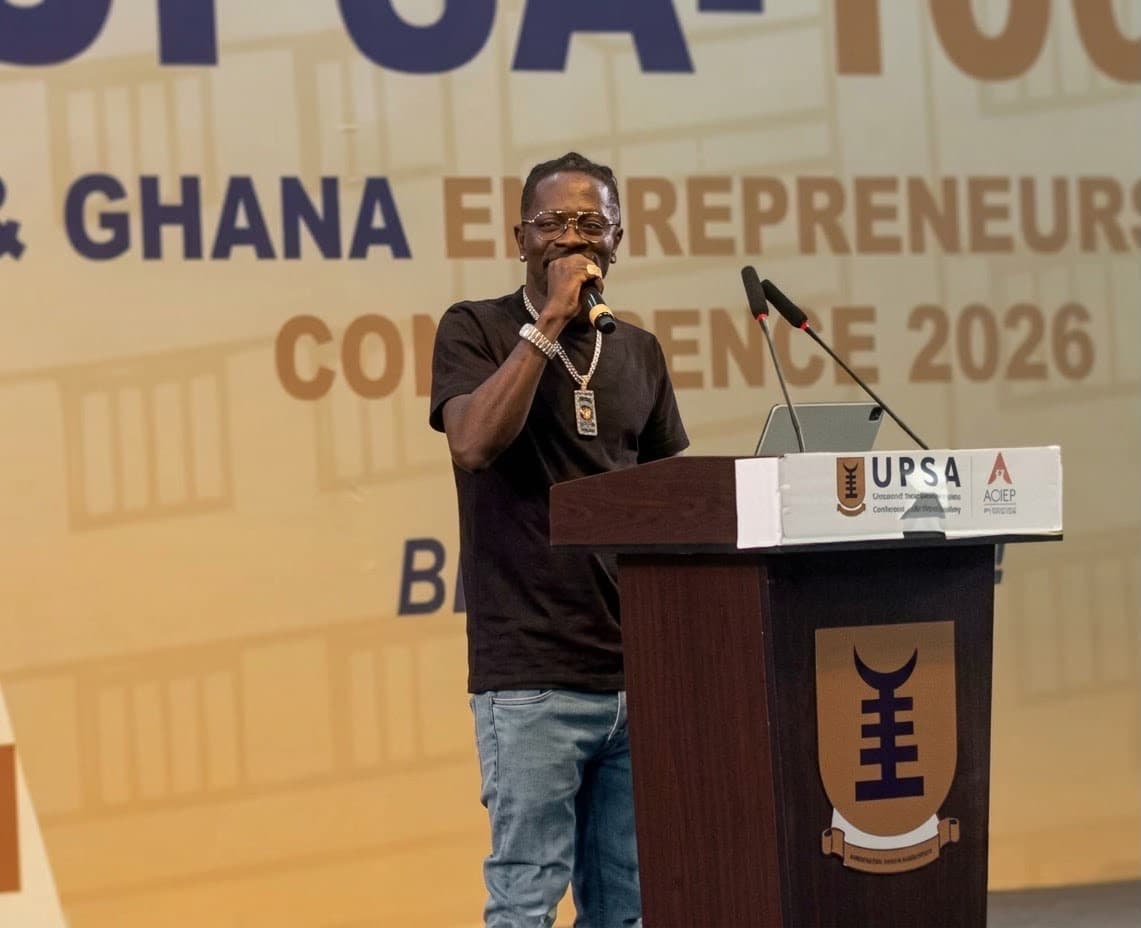
News
Sep 16, 2026 3 min read
Shatta Wale urges UPSA students to ‘build your mind’ at UPSA-1000 & Ghana entrepreneurship conference 2026.
Ghanaian musician and entrepreneur Charles Nii Armah Mensah Jr., popularly known as Shatta Wale, has urged students of the University of Professional ...
News
Sep 12, 2026 3 min read
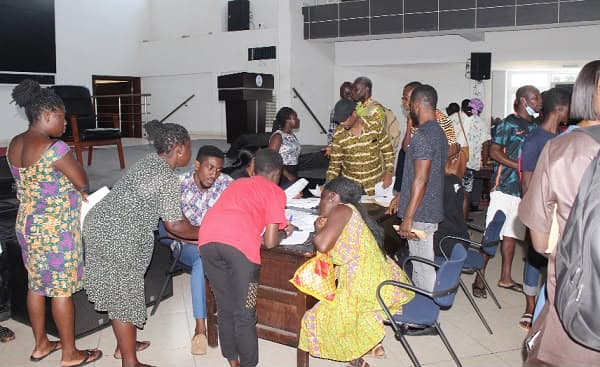
SHS placement crisis: parents spend hours in queues as frustration grows
The 2026 Senior High School placement exercise has become a major concern for parents and students across Ghana, with some parents reportedly spending...

News
Aug 13, 2026 3 min read
HIV in 2026: What Young People Know, What They Believe, and What They Get Wrong
For many young people, HIV/AIDS feels like a problem belonging to another generation. The red ribbons, awareness campaigns and conversations about HIV...

News
Jul 8, 2026 3 min read
J.K. Horgle pays courtesy call on UPSA Vice-Chancellor, expresses gratitude for naming of Transport and Logistics Centre
Renowned transport and logistics entrepreneur Joseph Kwaku Horgle has paid a courtesy call on the Vice-Chancellor of University of Professional Studie...