
News
The importance of self-care in today’s world: a university student’s perspective
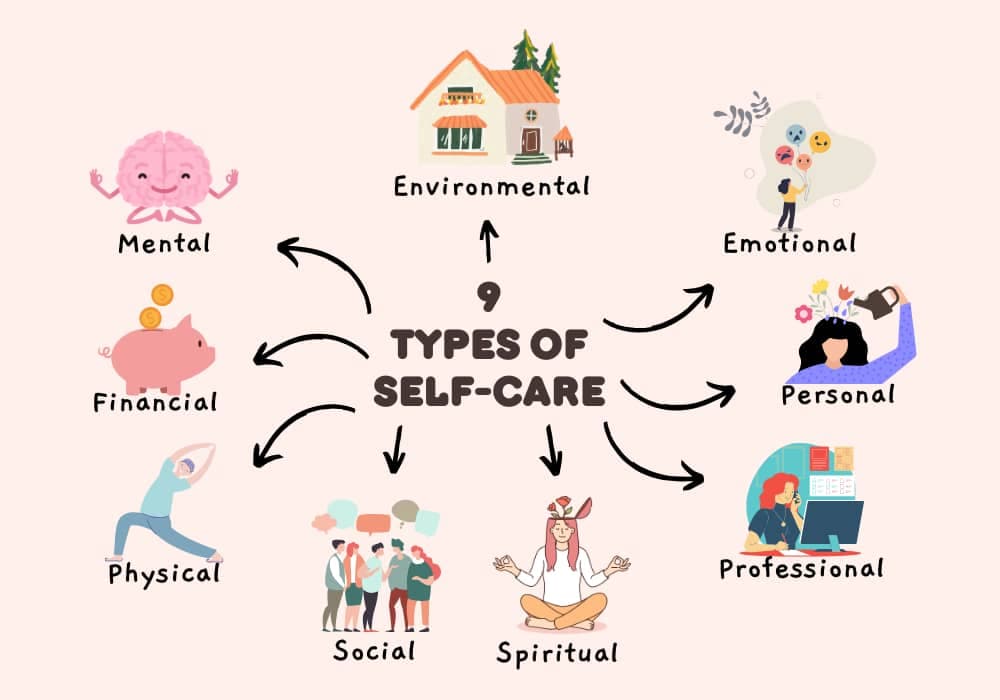
In our fast-moving and competitive society, self-care has shifted from being a luxury to an essential practice, particularly for university students. The university experience is often filled with academic demands, financial concerns, social pressures and uncertainties about the future. Juggling lectures, assignments, group projects, part-time jobs and personal relationships can be quite challenging. Without a focus on self-care, many students might find themselves grappling with burnout, anxiety, and deteriorating academic success. Engaging in self-care is crucial for sustaining physical, mental, and emotional health during this critical period.
For many, physical self-care tends to be the first aspect pushed aside. It's not uncommon to see students up late studying, eating irregularly, and skipping exercise. The temptation to skip meals to meet deadlines or rely on fast food and energy drinks can be strong, but these choices often harm concentration and overall health. Simple habits like eating nutritious meals, staying hydrated, getting sufficient sleep, and incorporating regular exercise—whether it's walking around campus or engaging in sports—can greatly boost energy and academic performance.
Moreover, mental and emotional well-being is just as vital in university life. The competitive atmosphere, anxiety about failure, and pressure to fulfill familial or societal expectations can significantly impact students' mental health. Strategies like taking regular breaks, setting achievable goals, and knowing when to decline additional commitments are key components of effective self-care.
Social self-care also holds significant importance during the university experience. Though independence is a hallmark of this stage, feelings of loneliness can pose serious risks to well-being. Nurturing relationships with peers, mentors, and friends fosters a sense of belonging and emotional support. At the same time, self-care entails establishing boundaries, steering clear of negative relationships, moderating social media usage, and avoiding constant comparisons to others. Maintaining meaningful social interactions while also reserving time for oneself promotes emotional balance and personal development.
Ultimately, self-care is essential for university students who aim to thrive both academically and personally in today’s challenging landscape. It is not a sign of weakness or selfishness, but rather a responsible way to safeguard one's well-being. By prioritizing physical, mental, emotional, and social self-care, students can more effectively navigate stress, enhance their academic performance, and cultivate a richer university experience.
Related Stories & Campus Highlights
View All in News →
News
Sep 16, 2026 3 min read
Shatta Wale urges UPSA students to ‘build your mind’ at UPSA-1000 & Ghana entrepreneurship conference 2026.
Ghanaian musician and entrepreneur Charles Nii Armah Mensah Jr., popularly known as Shatta Wale, has urged students of the University of Professional ...

News
Sep 12, 2026 3 min read
SHS placement crisis: parents spend hours in queues as frustration grows
The 2026 Senior High School placement exercise has become a major concern for parents and students across Ghana, with some parents reportedly spending...

News
Aug 13, 2026 3 min read
HIV in 2026: What Young People Know, What They Believe, and What They Get Wrong
For many young people, HIV/AIDS feels like a problem belonging to another generation. The red ribbons, awareness campaigns and conversations about HIV...

News
Jul 8, 2026 3 min read
J.K. Horgle pays courtesy call on UPSA Vice-Chancellor, expresses gratitude for naming of Transport and Logistics Centre
Renowned transport and logistics entrepreneur Joseph Kwaku Horgle has paid a courtesy call on the Vice-Chancellor of University of Professional Studie...